This portfolio case study
I wrote my taste down and made AI follow it
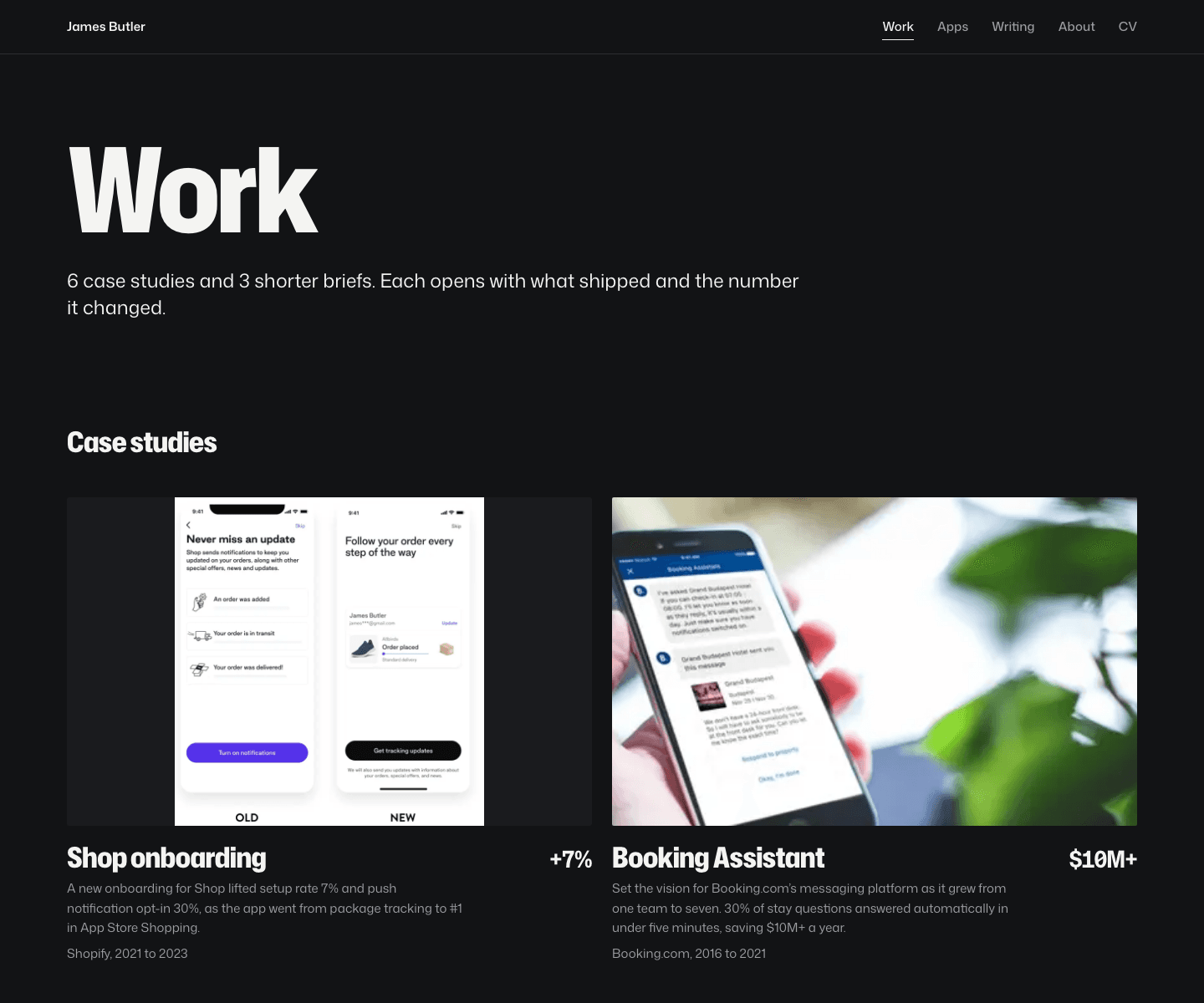
How I art directed and built this site with AI, without it looking like AI made it.
Years out of date, and none of my taste
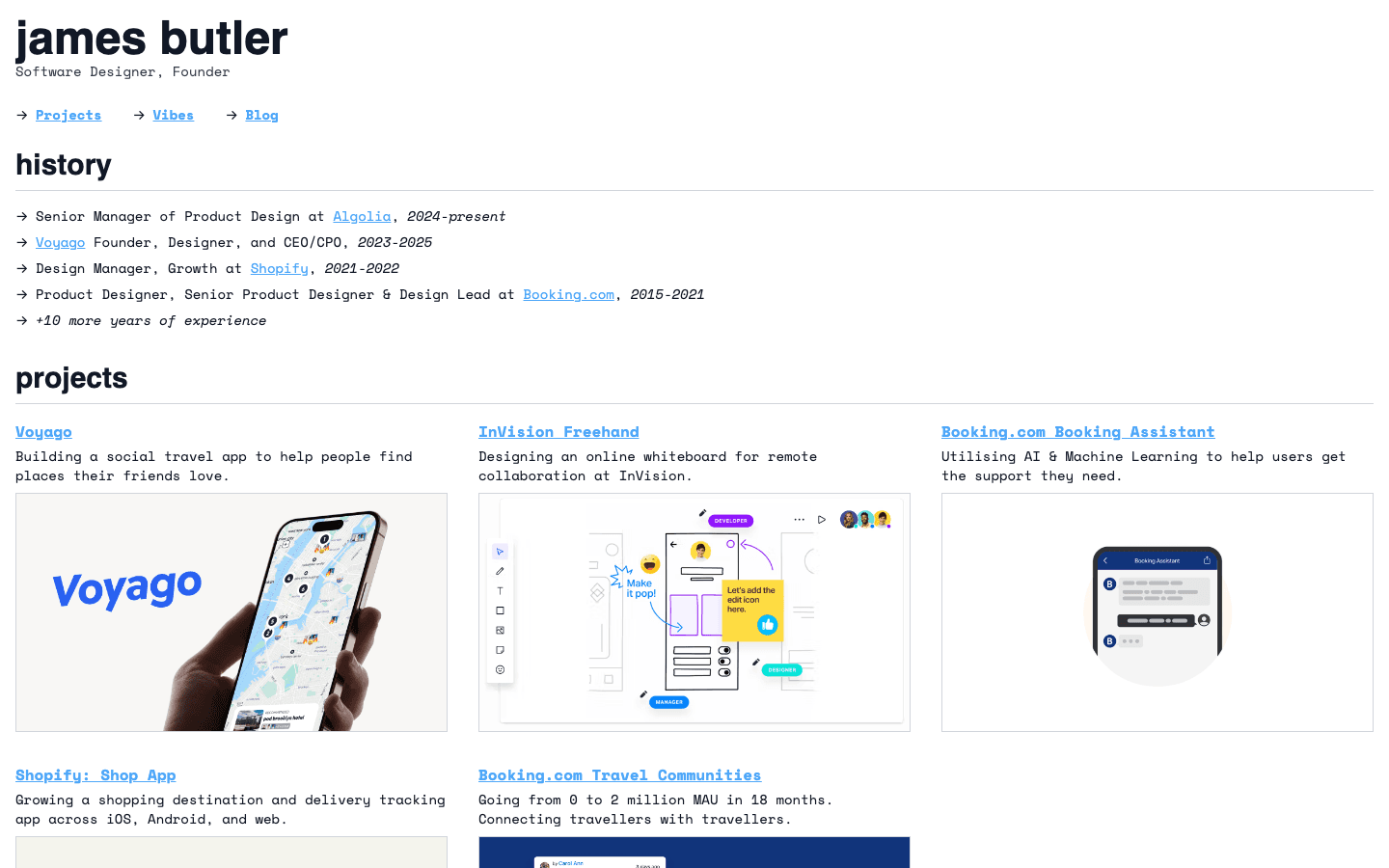
I hadn’t updated my portfolio in years.
My visual taste and craft weren’t showing through in the old one.
AI gave me the chance to bring some of my personality to life.
My first AI build was pretty terrible
I gave AI my CV, my old case studies and a brief. It built every page.
The structure was fine. The imagery had no art direction at all.
AI can build what you describe. It can’t supply the taste you haven’t given it.
Three references, and what each one taught me
I started with a wall of work I admired, on a canvas in Claude.
For each one I wrote down the rule worth stealing, not the look.
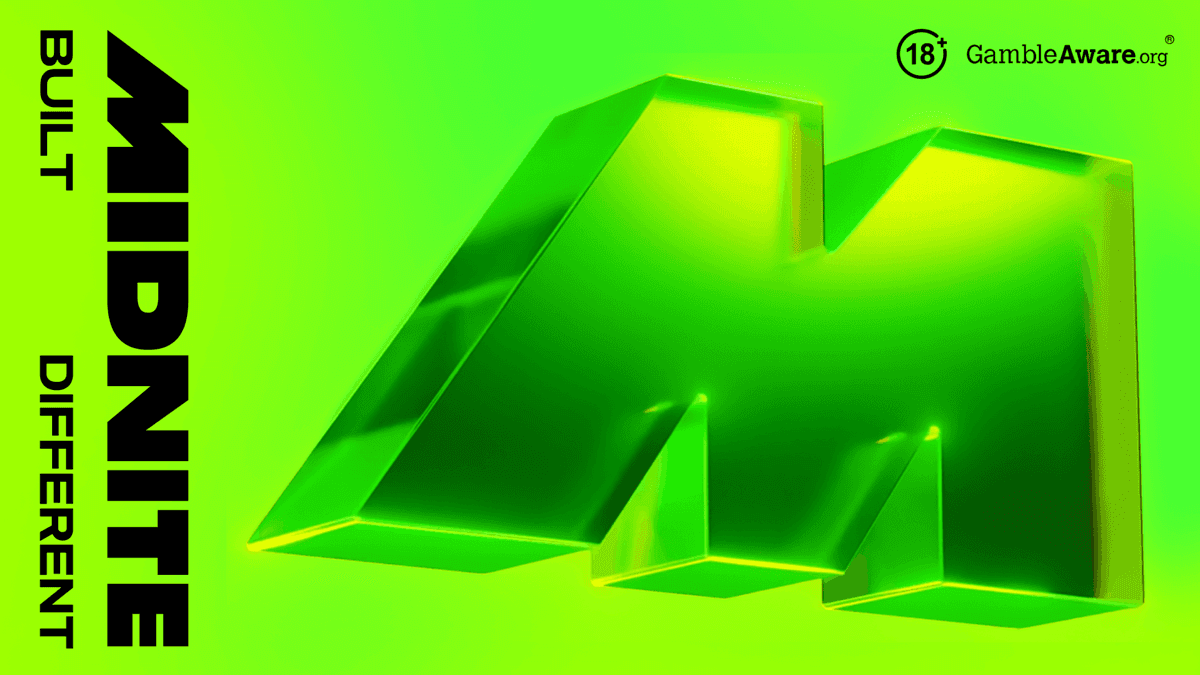
Midnite
One colour, and the initial as the hero
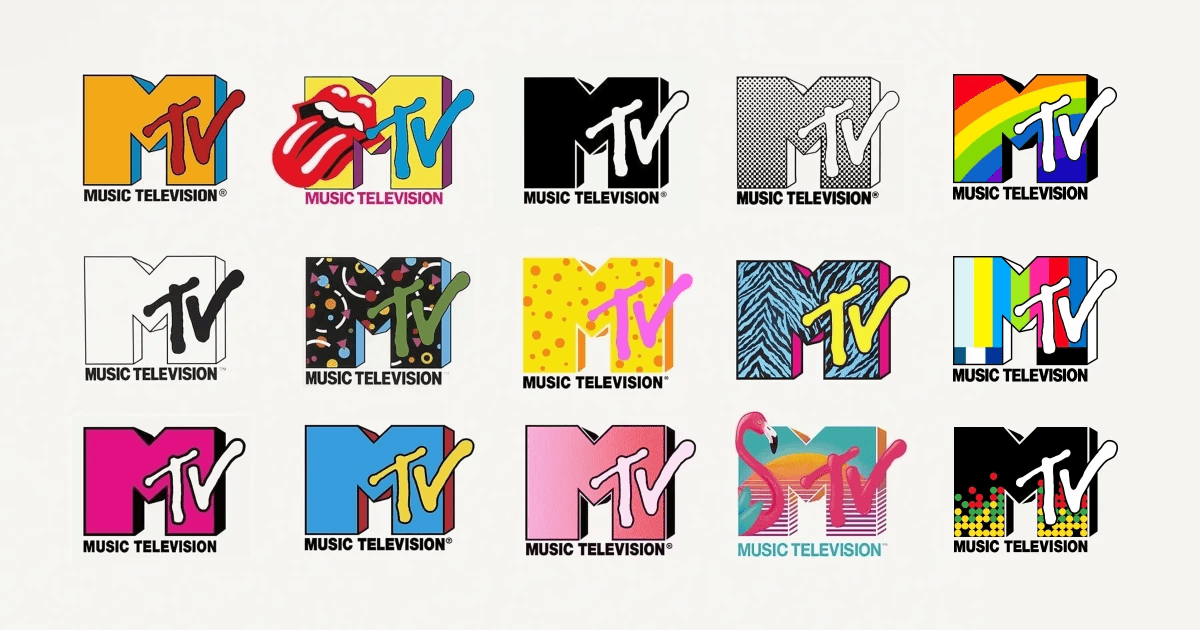
MTV
The mark can change and stay itself
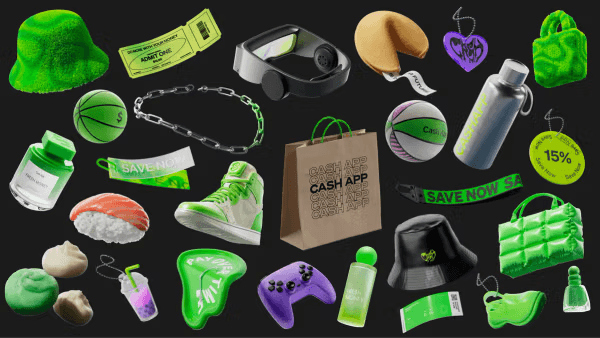
Cash App
Everyday objects, made as one set
Don’t mind it, don’t love it.
I made the JB with ChatGPT’s image model. It took an evening and a morning of saying no.
Each round got a verdict and a reason, and the next one started from there.
The model made every image. Which one was right was my call.
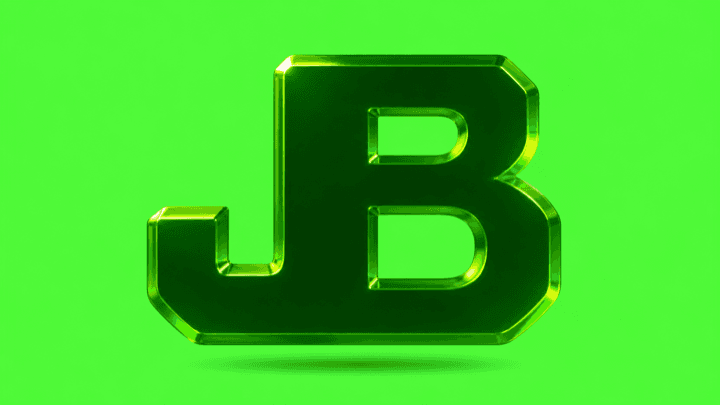 “Don’t mind it, don’t love it.”
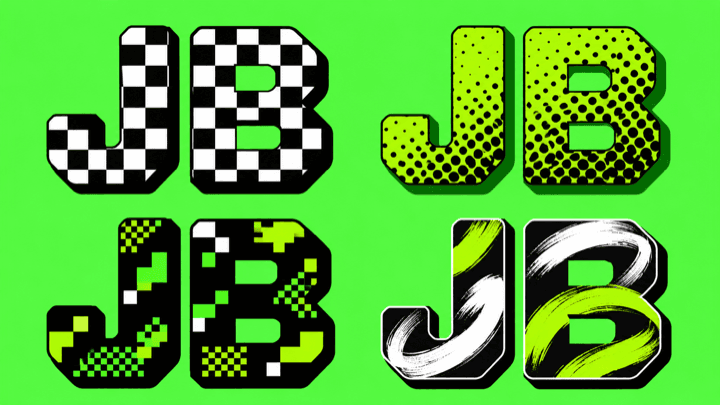 “These fall a bit flat.”
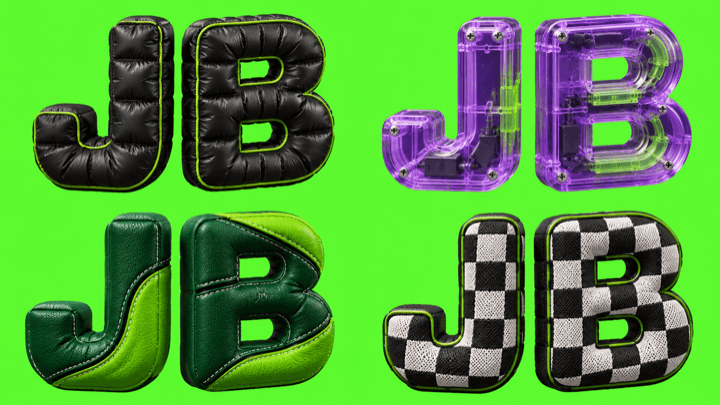 “Right direction. Wrong treatment.”
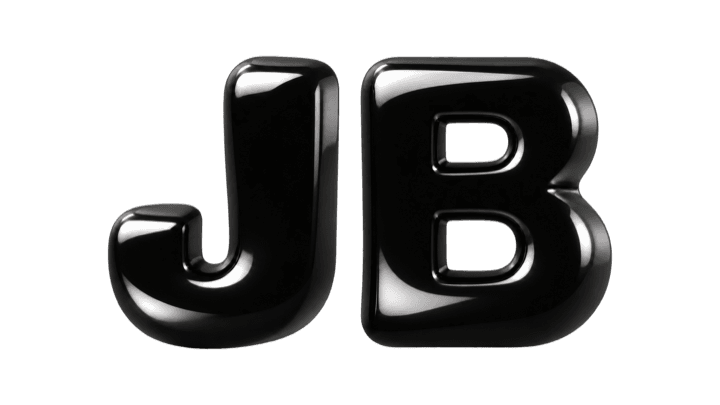 “Less inflated, more machined.”
- The one on the site.
Lock the shape first, then change one paragraph
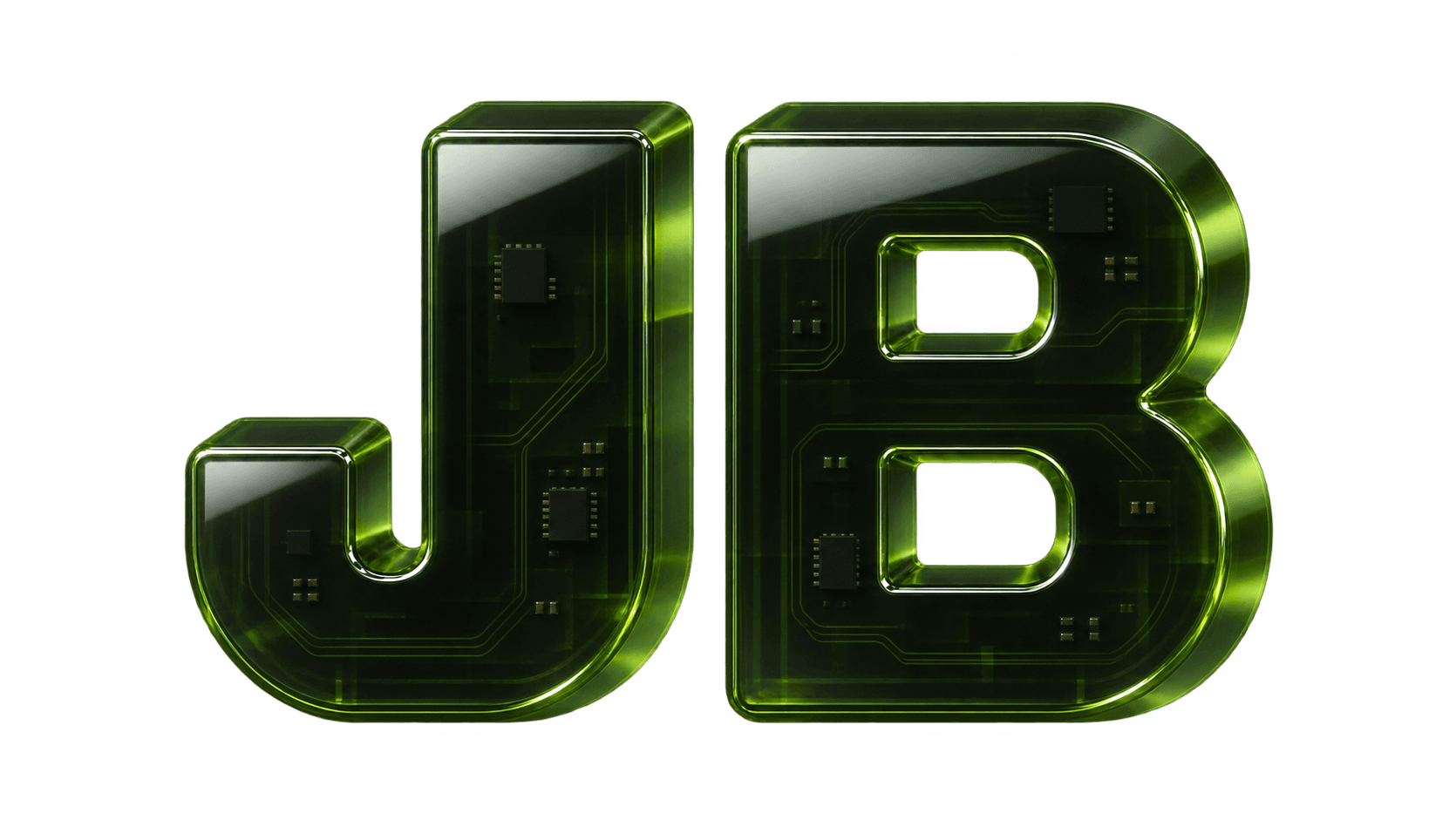
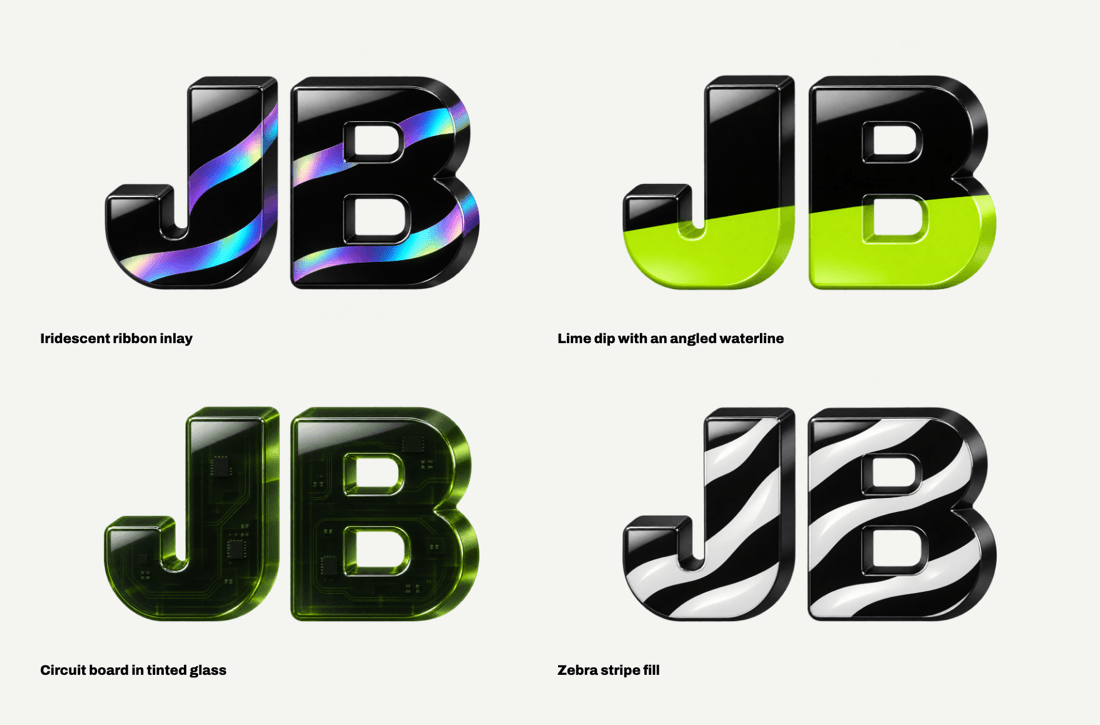
Green glass
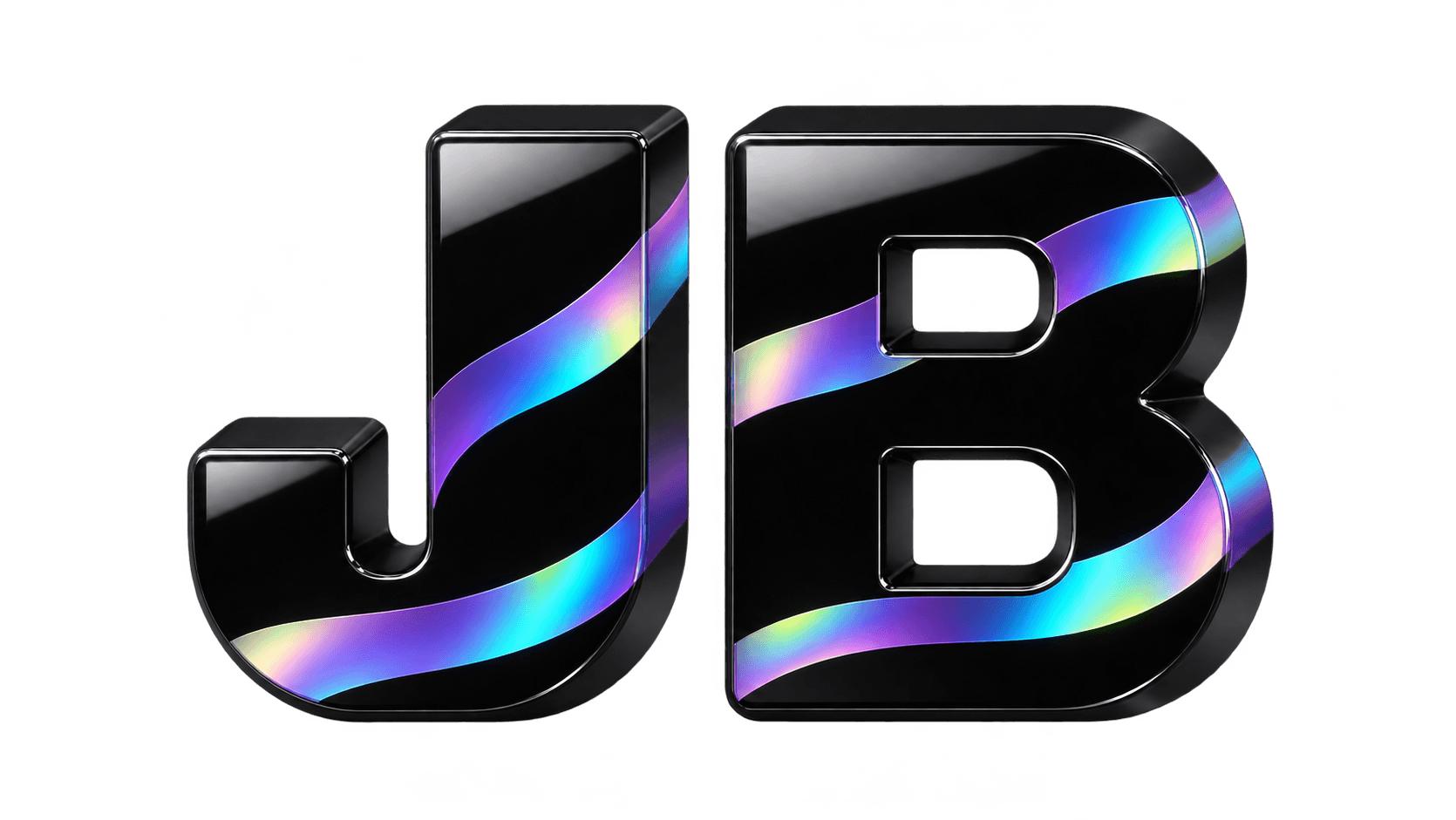
Iridescent ribbon
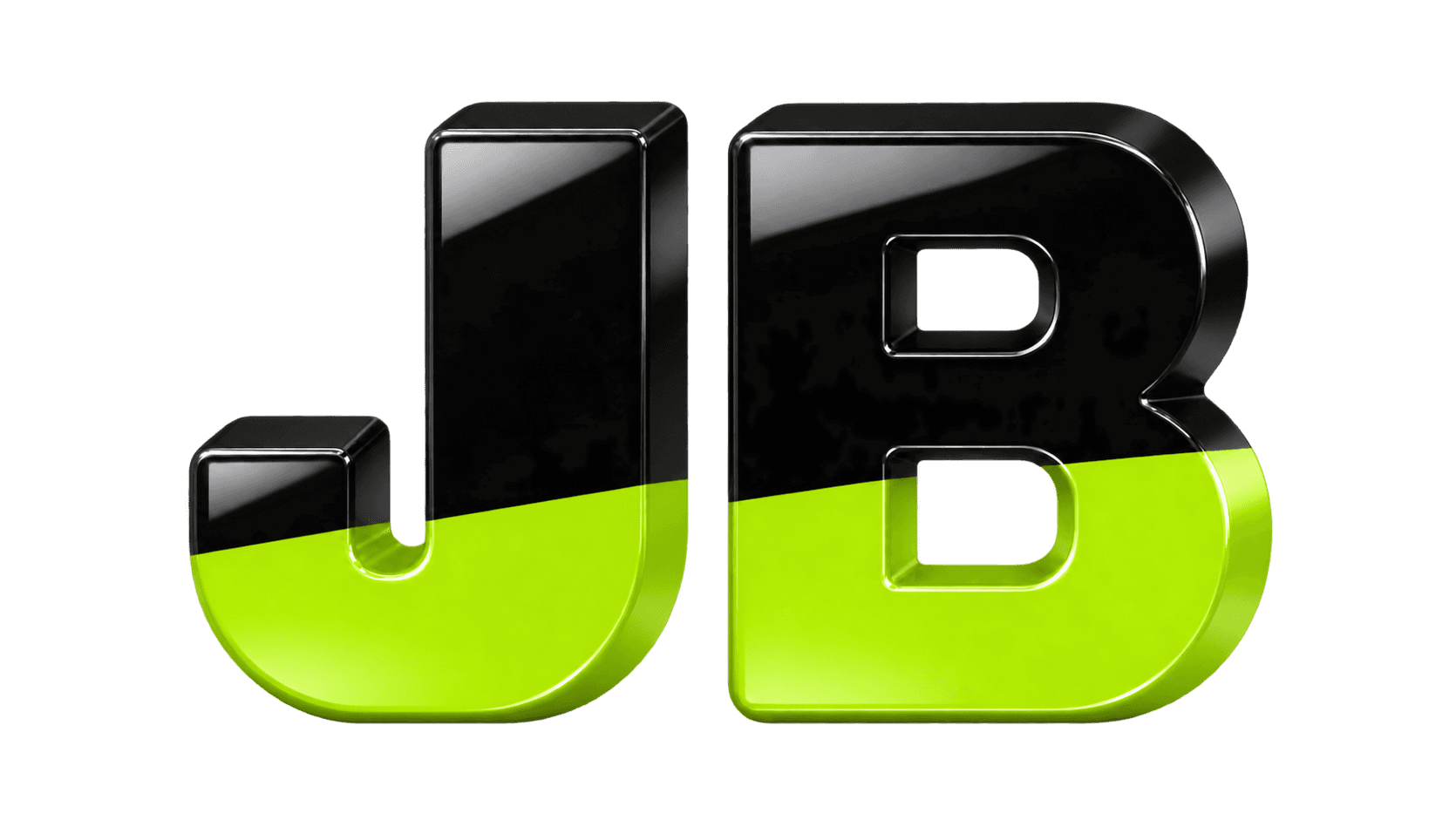
Lime dip
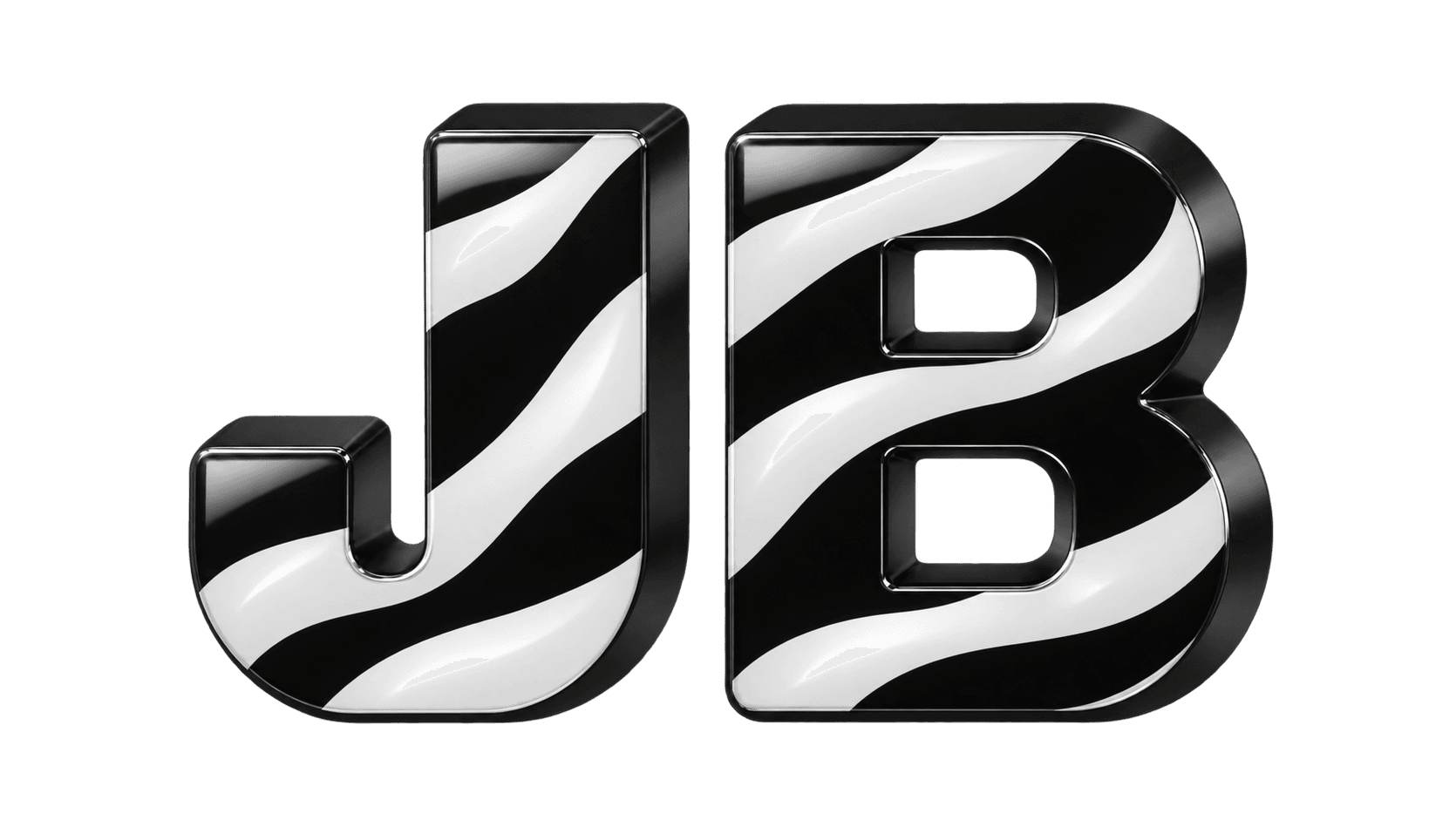
Zebra
A description alone won’t give you the same letter twice.
So once the shape was right, that image became the reference for every run after it.
The prompt stays the same. Only the material paragraph changes.
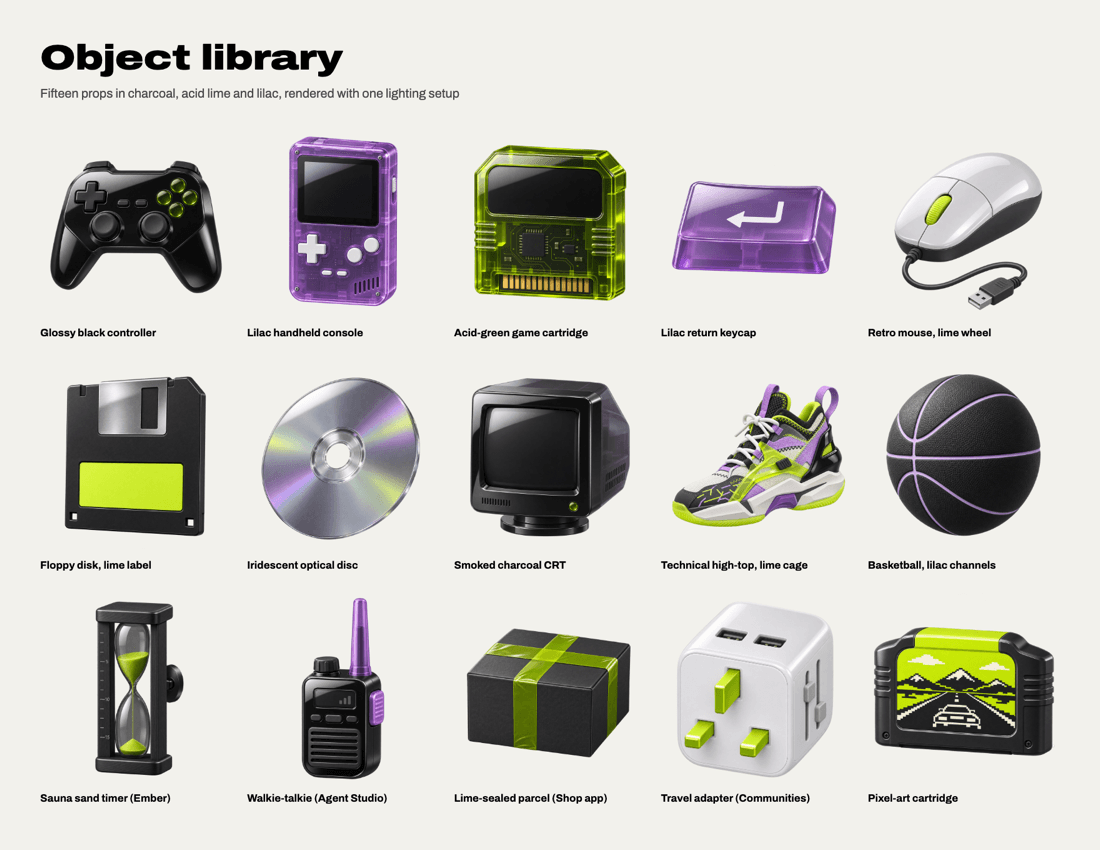
Ten objects proposed, three approved first



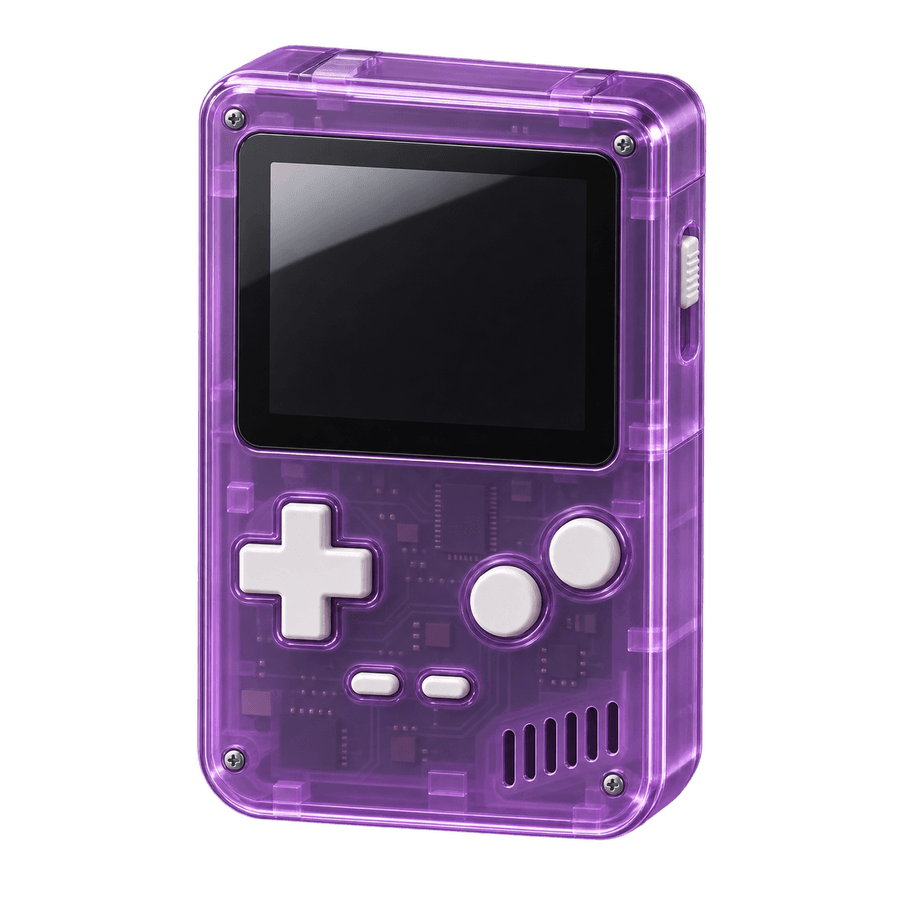

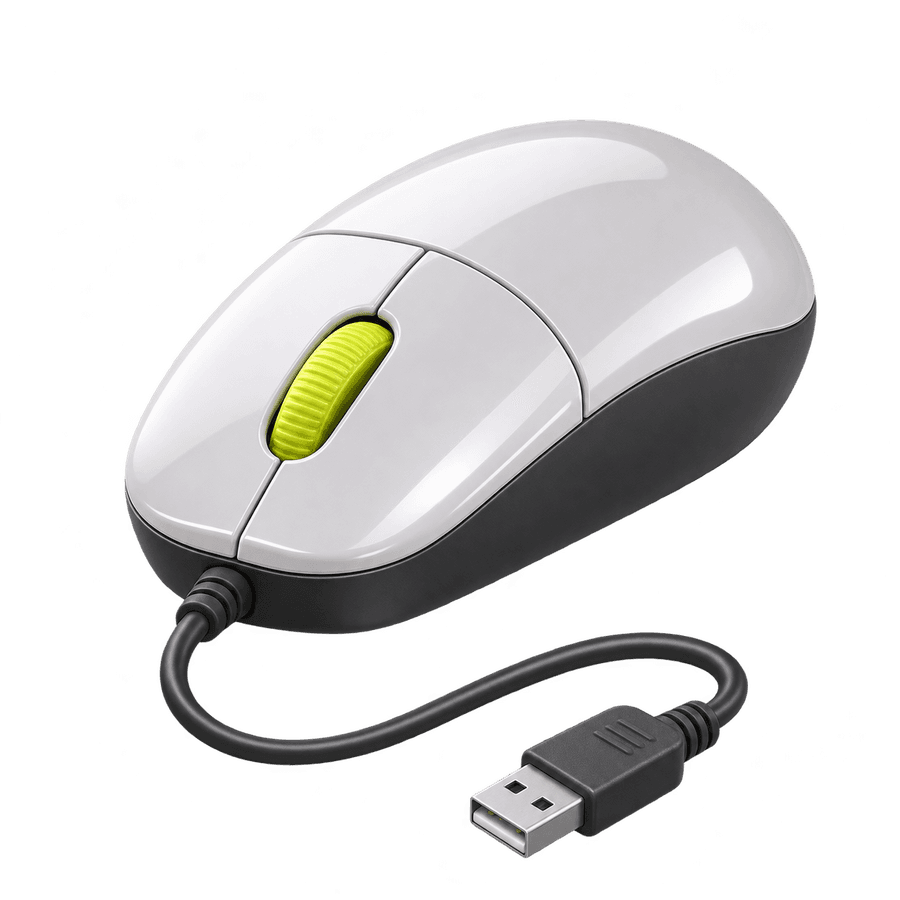
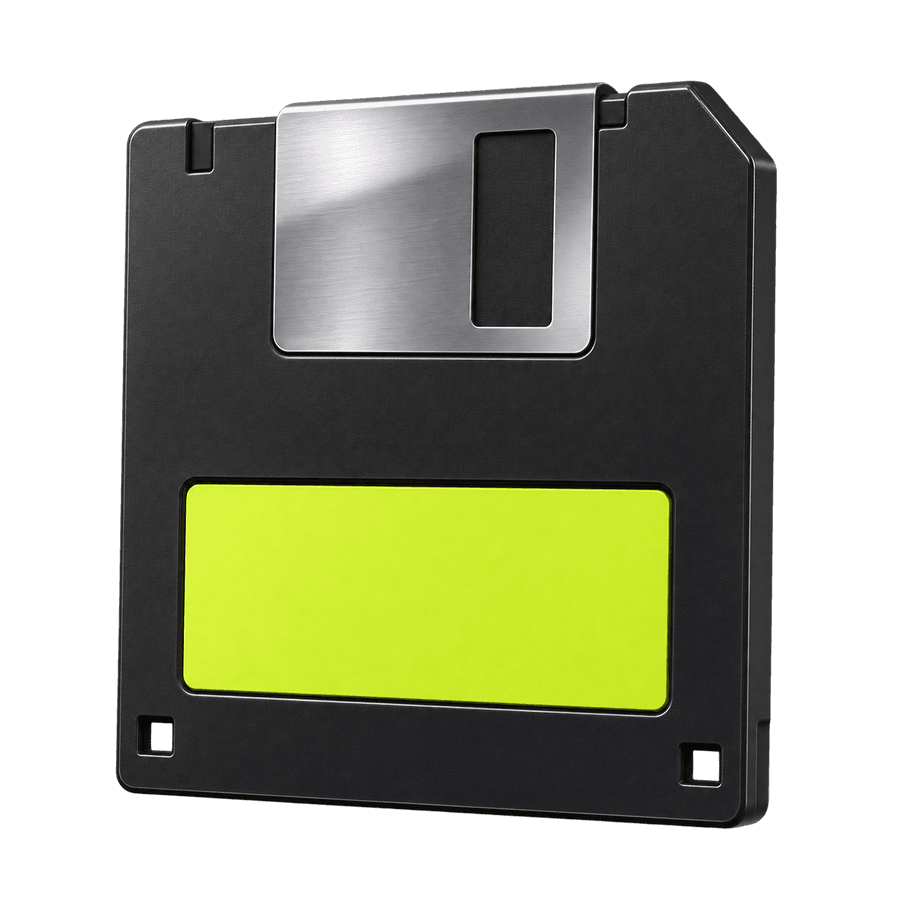


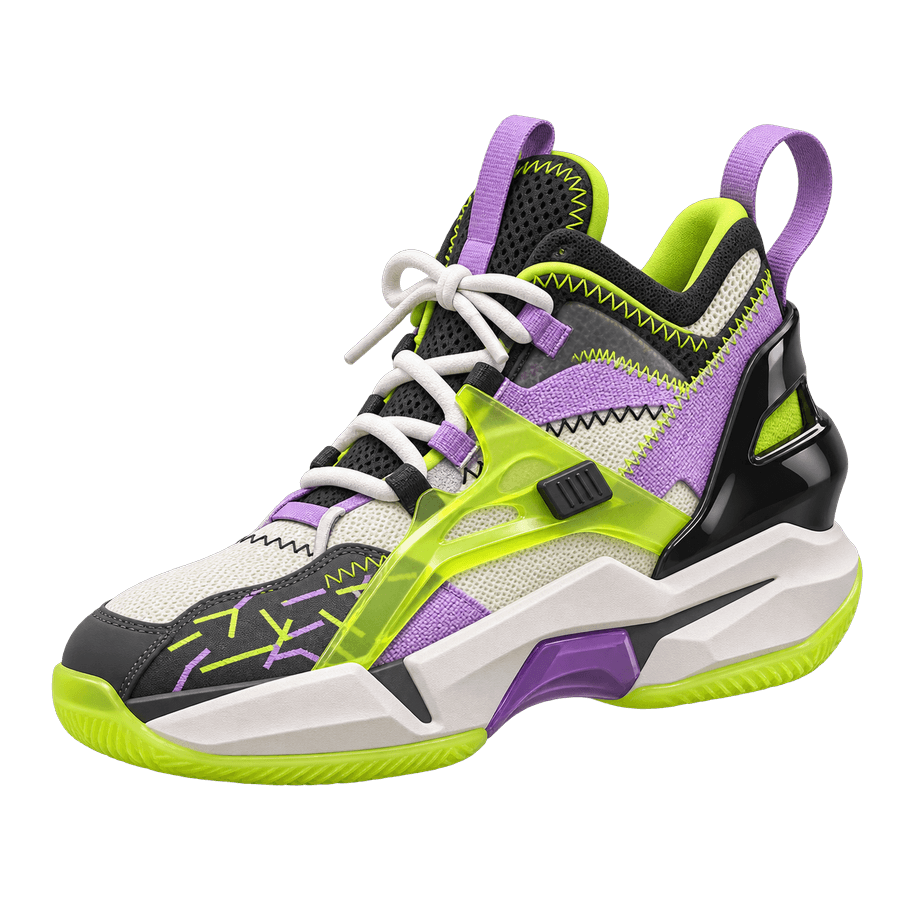
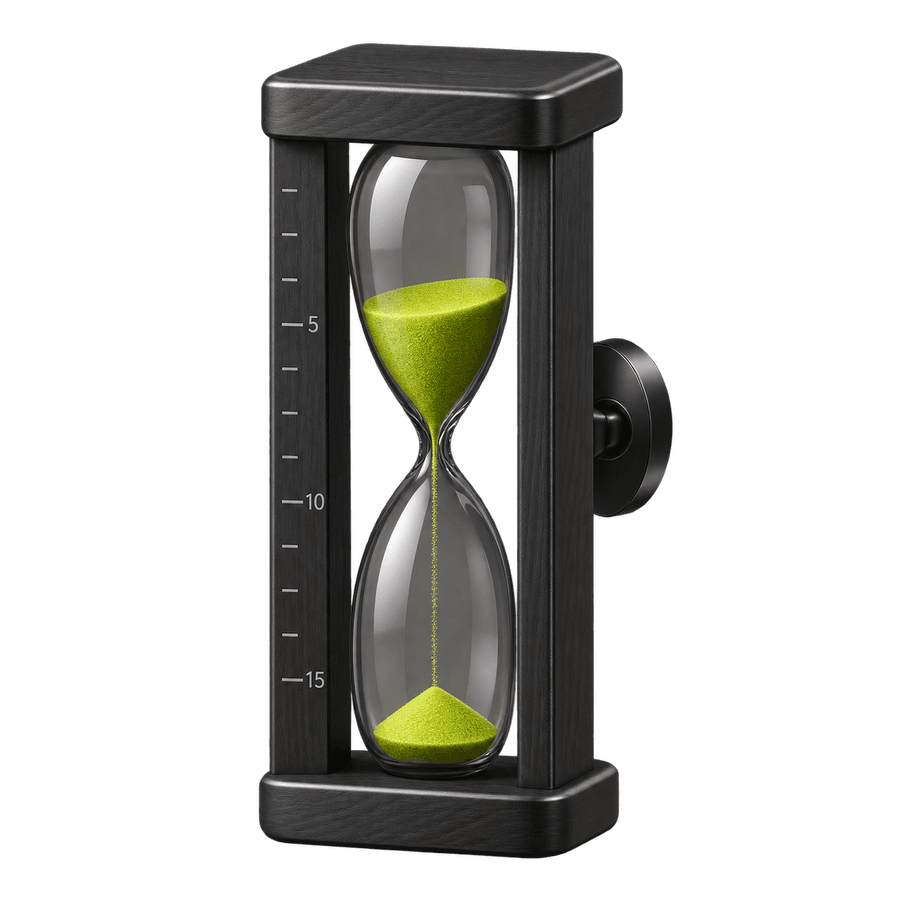
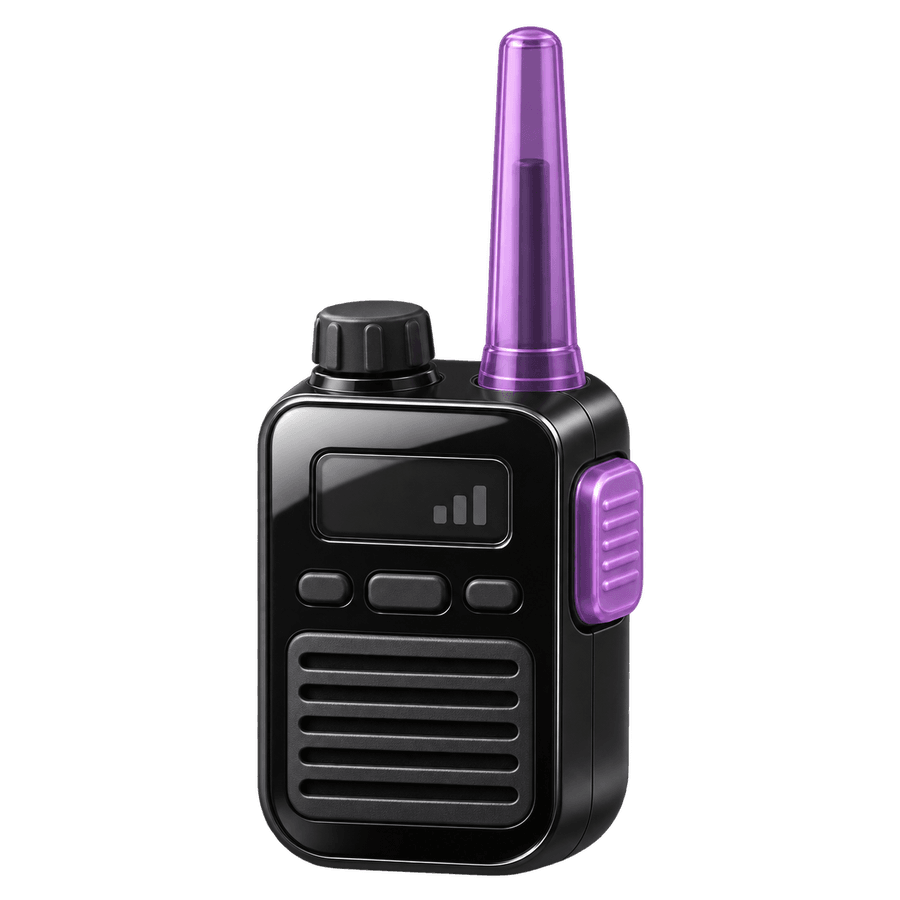
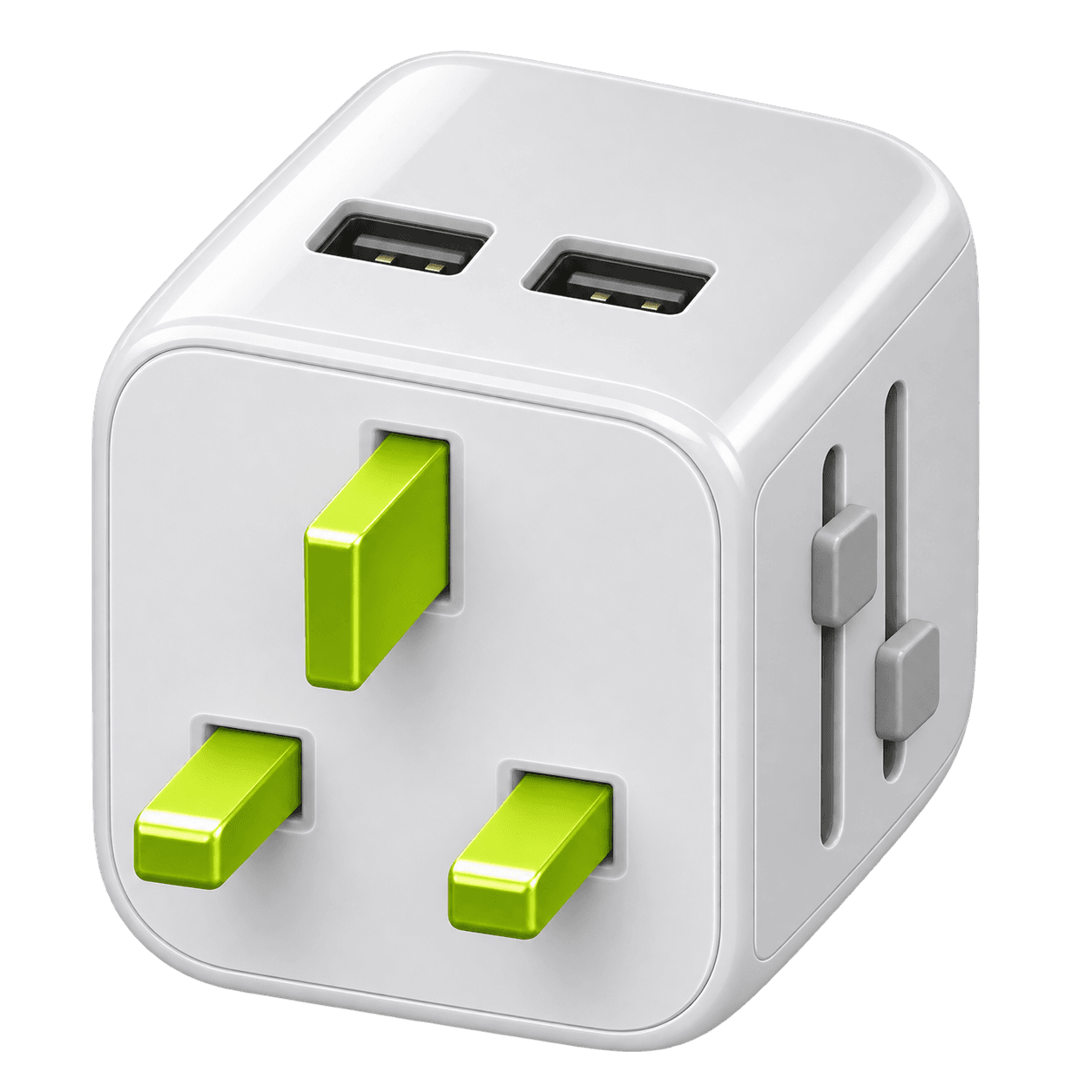

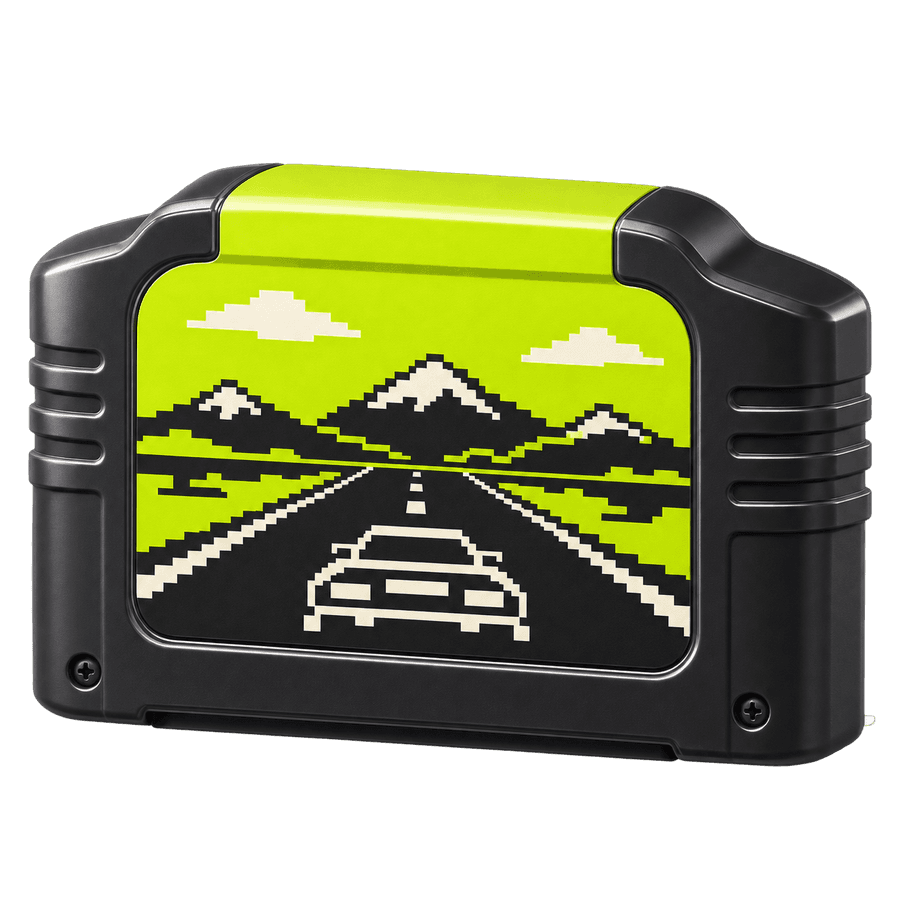

I asked the model how to brief it for a matching set, then used that brief.
It fixed the lighting, the angle and the palette, and asked for ten ideas before any image.
Three contrasting objects set the direction. The rest were made to match them.
Based on the pair on my shelf
My favourite sneakers sit on the shelf behind me on every call.
I asked for an original shoe in their spirit, not a copy.
Every object means something to me. Every case study has one of its own.
A moodboard written for the AI to read
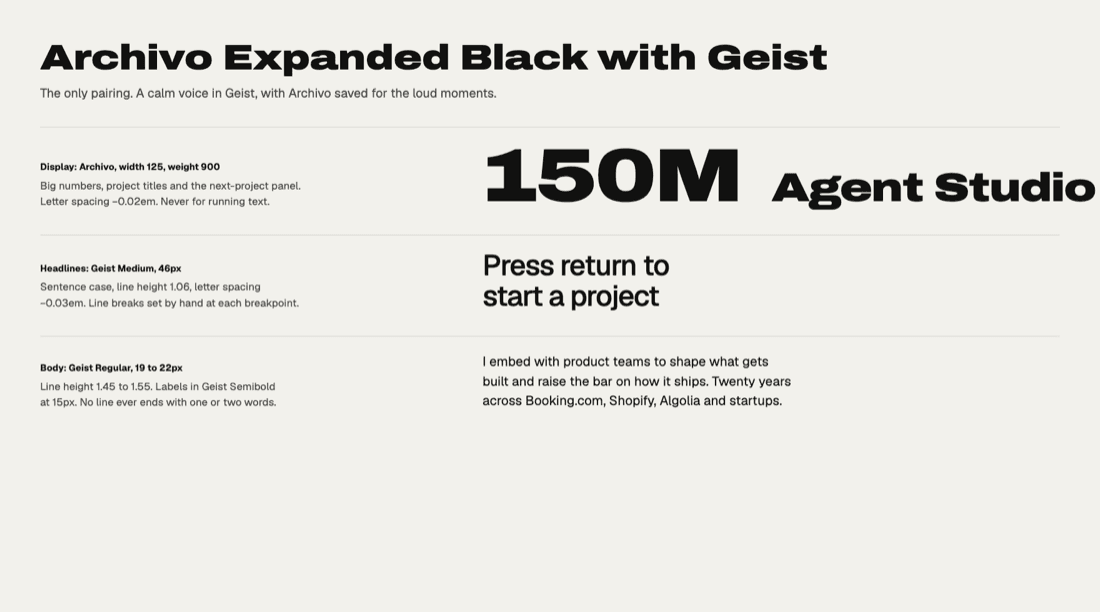
The canvas was never a picture of a design. Every board is real HTML.
The first board tells the AI what is current and what is only reference.
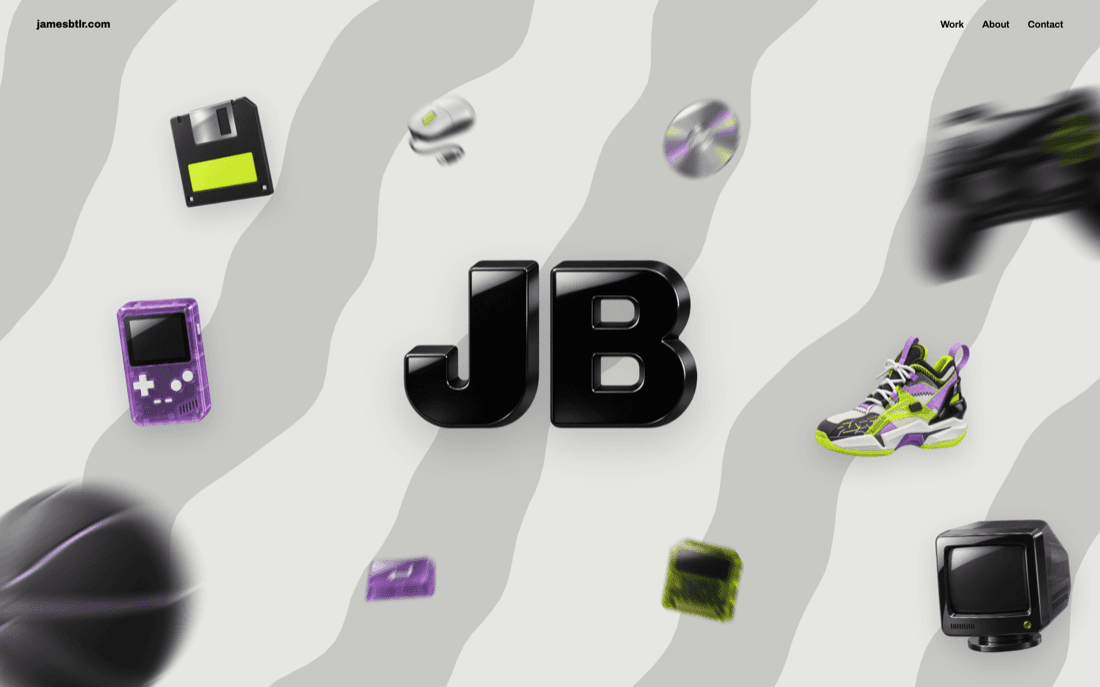
The homepage went through four passes there before any code.
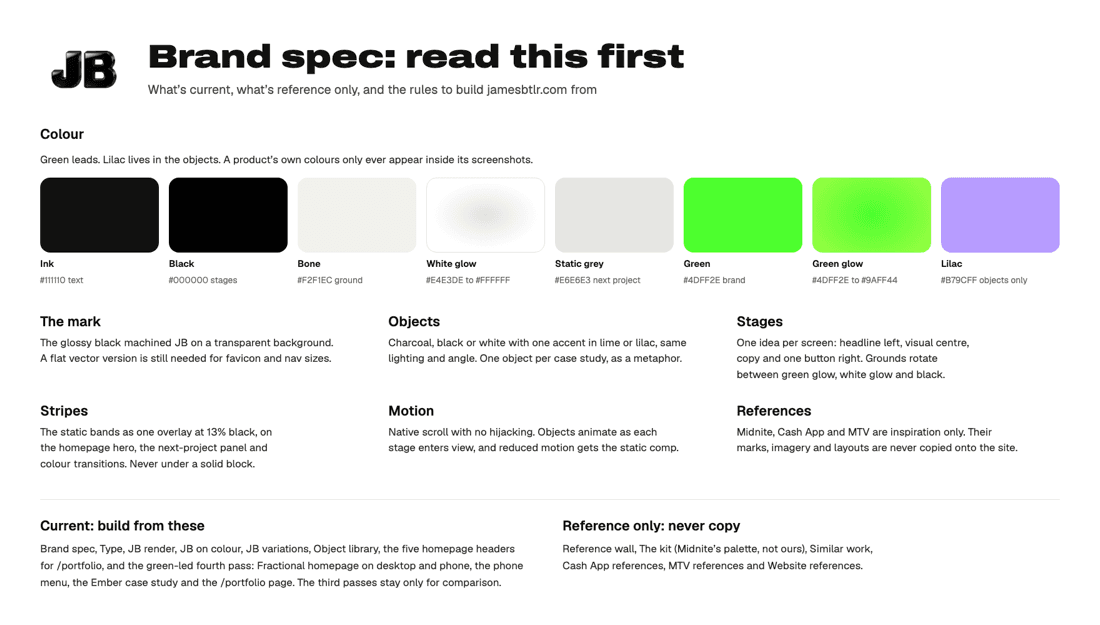
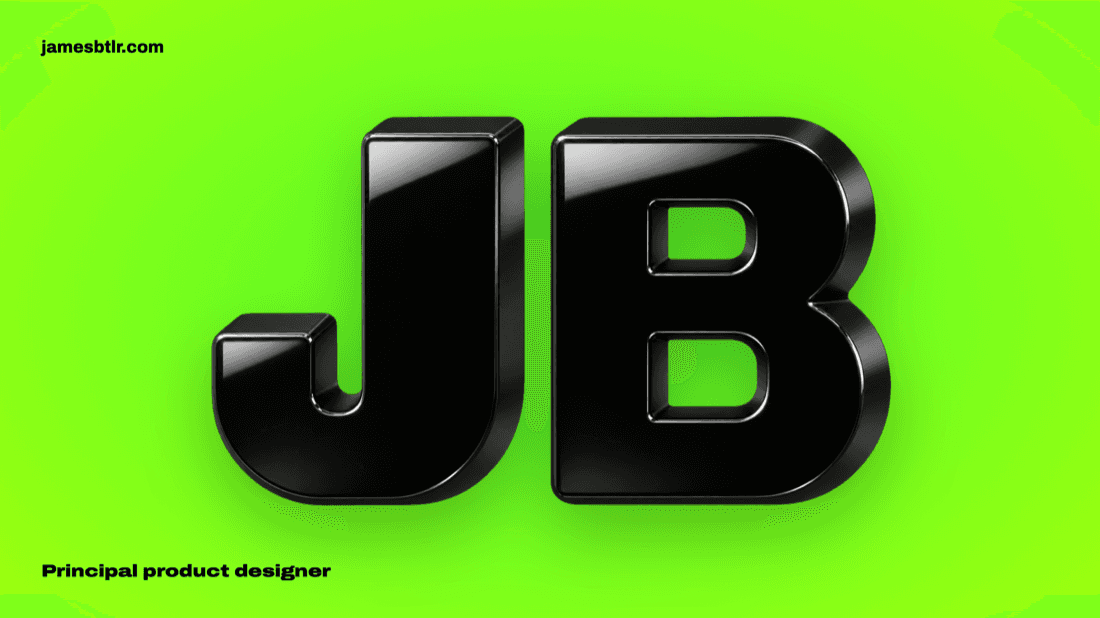
The boards became the brief for the build
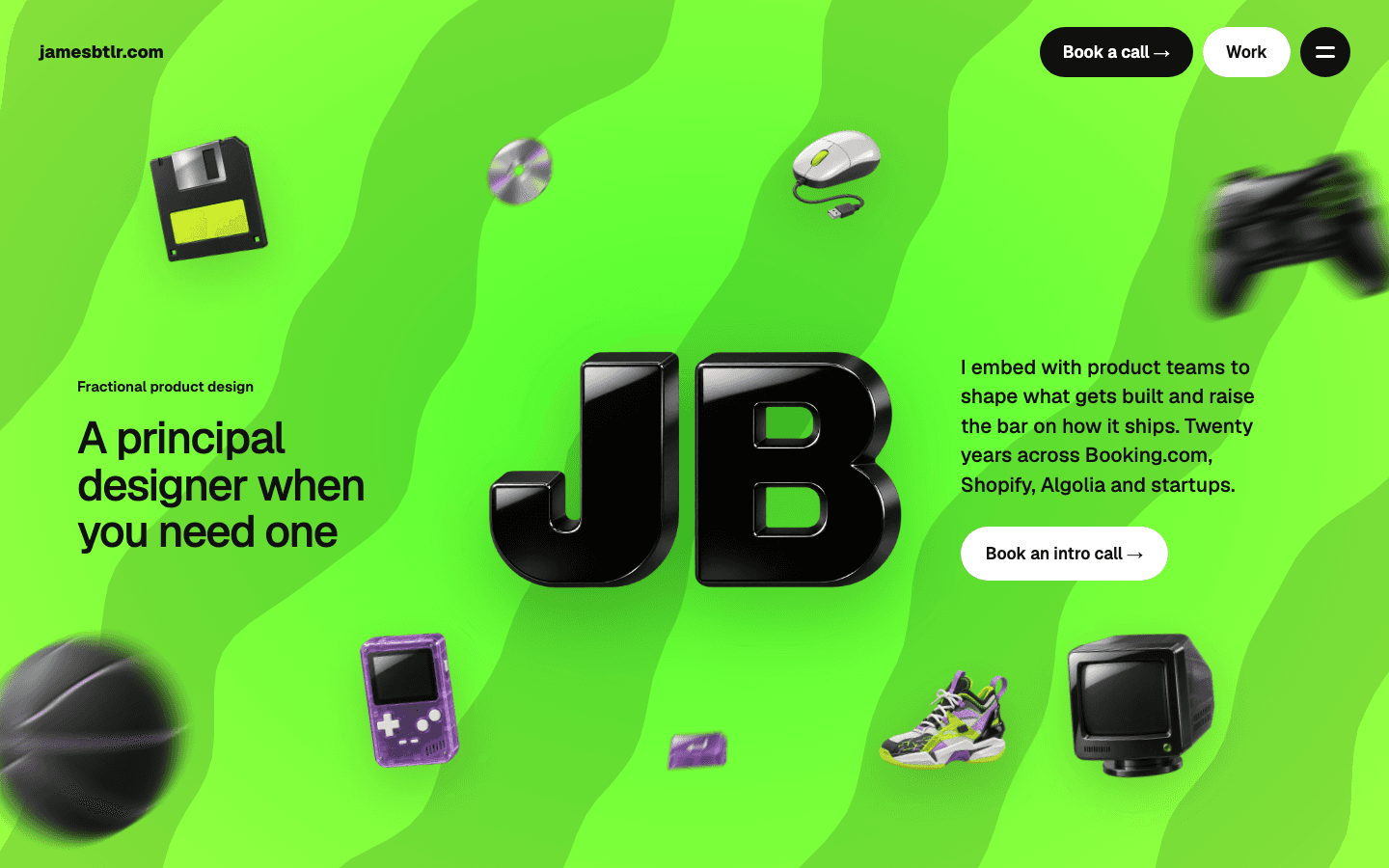
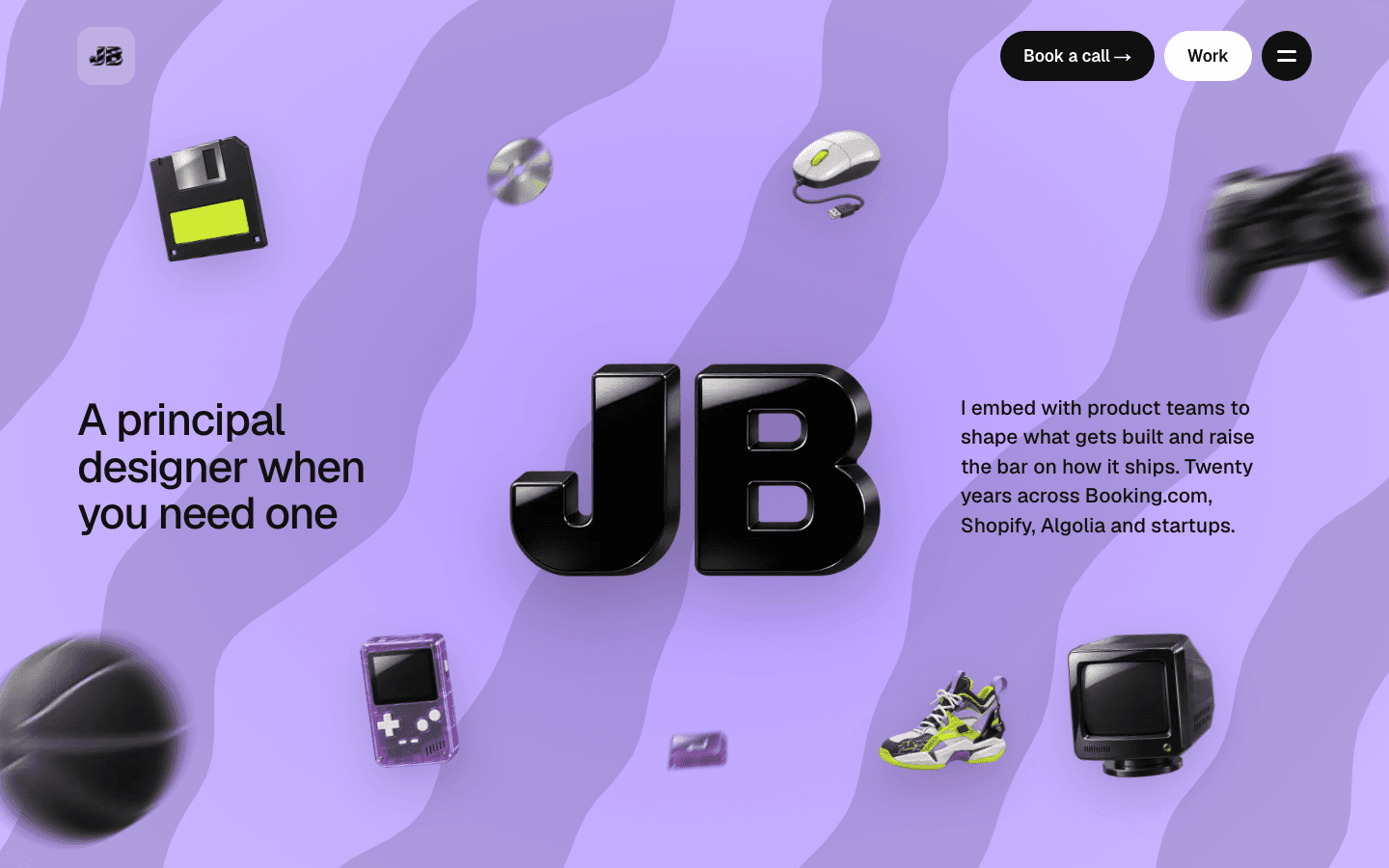
I build with Claude Code. It reads the boards, proposes a plan and waits for my OK.
The homepage, the portfolio page and the case study template were built from the boards in one day.
Every decision is written down with its reason, in a log over a thousand lines long.
A two-word line now fails the check
Fails the check
Passes
I can’t stand a line of text with only one or two words on it.
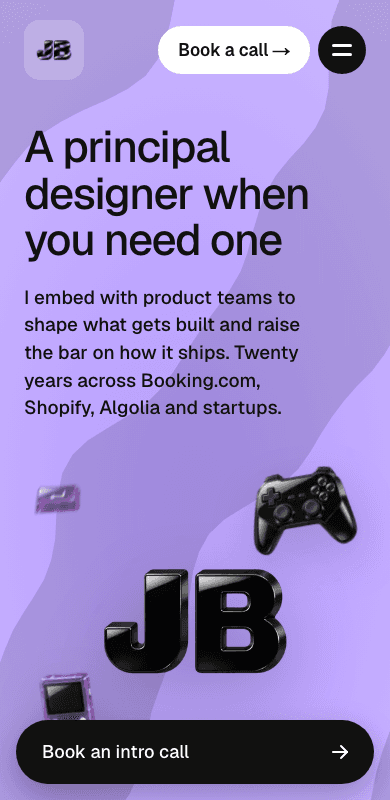
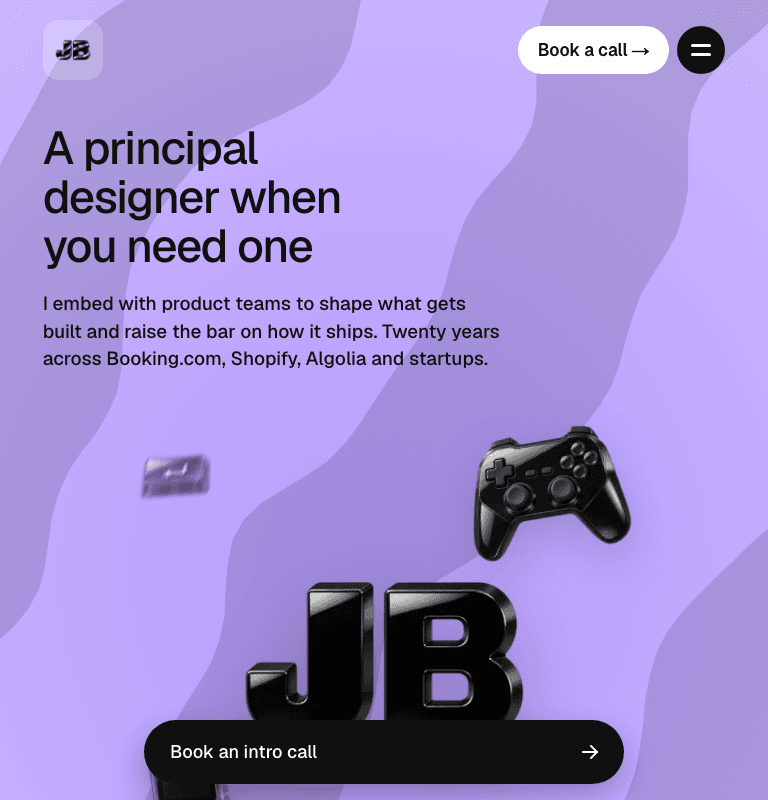
So it’s a written rule, and a script checks every page for it at five screen widths.
A rule that’s written down and checked holds on every page.
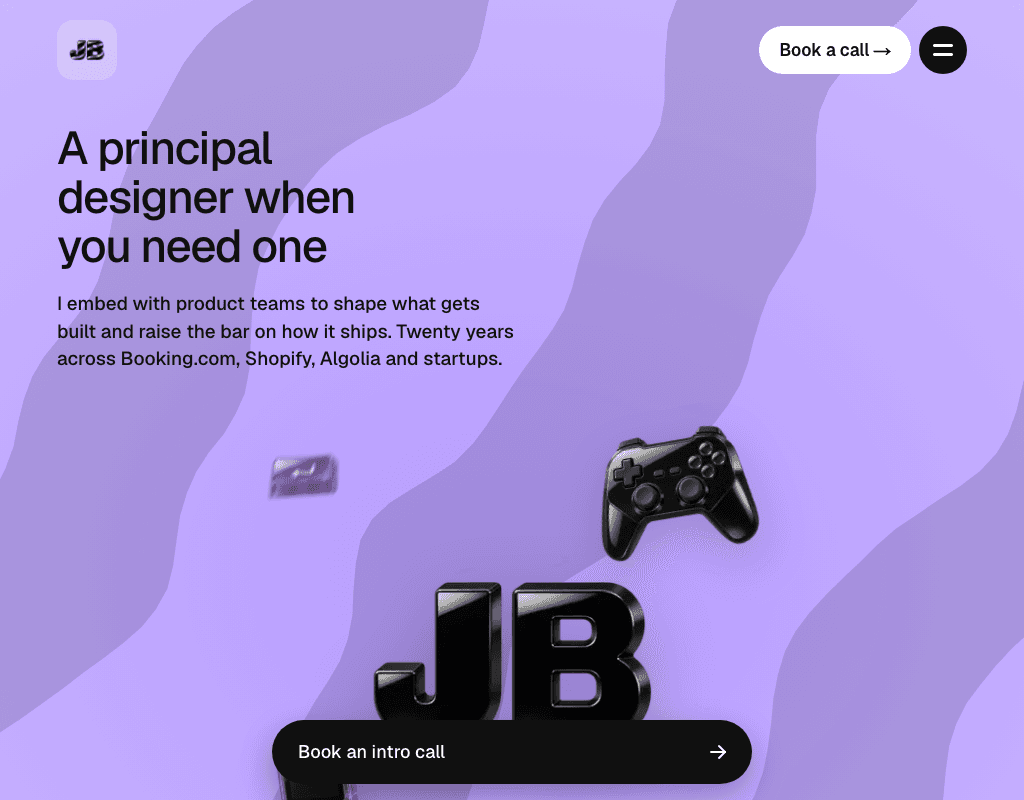
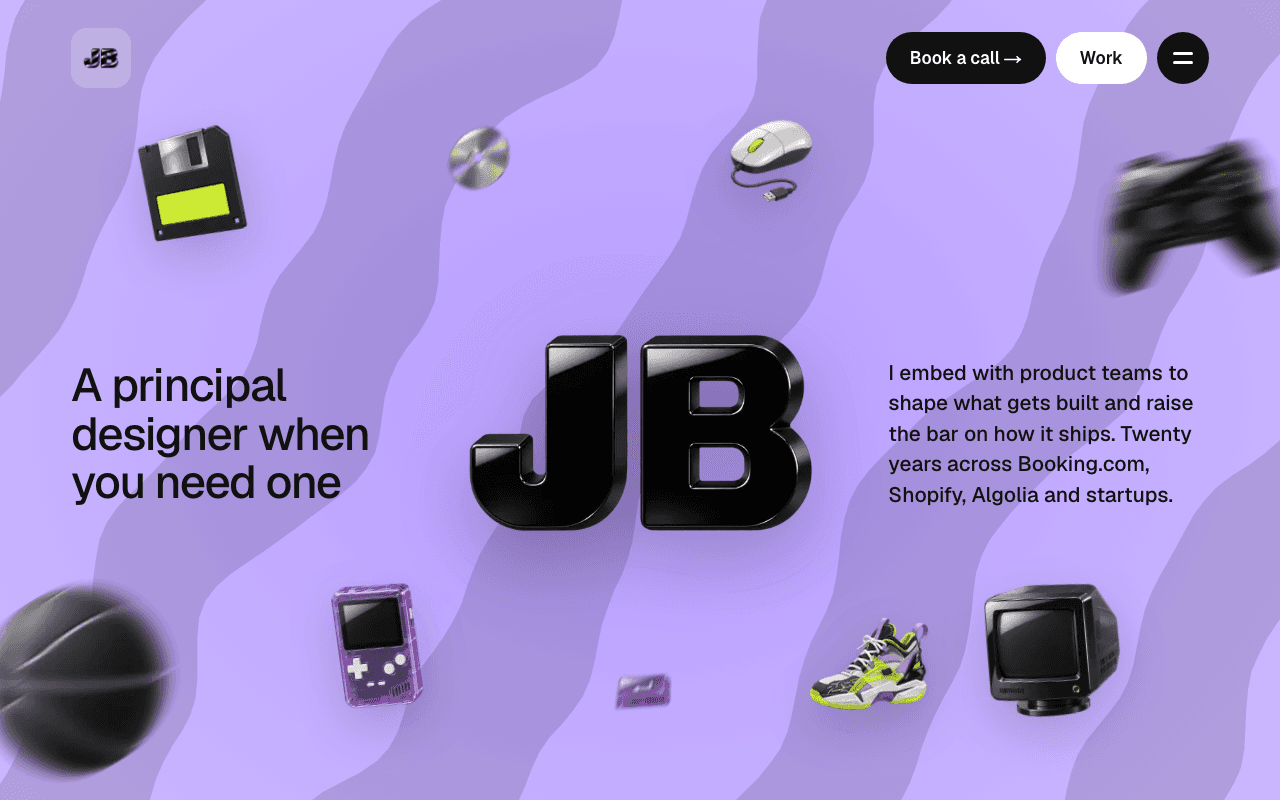
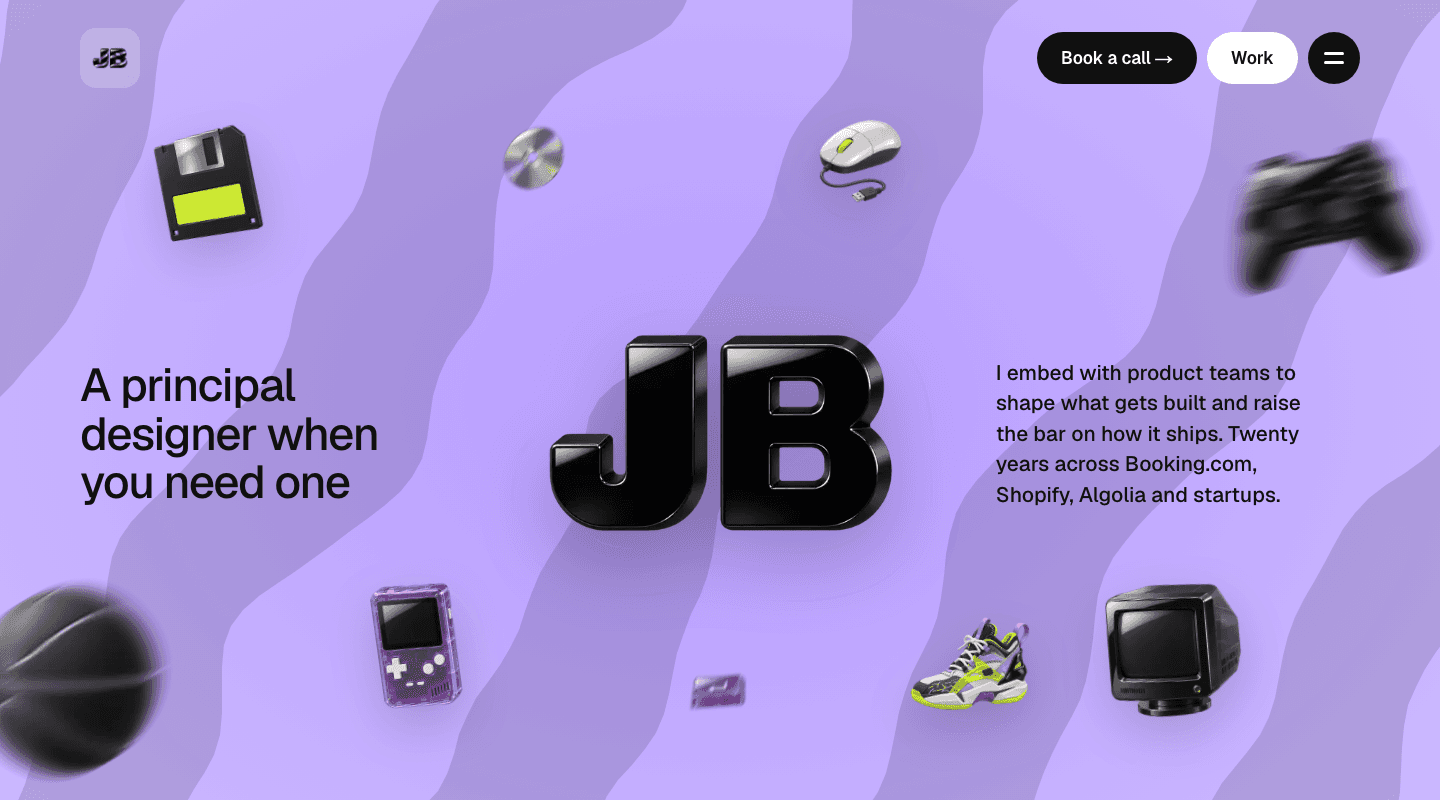
Then I hid a game in it
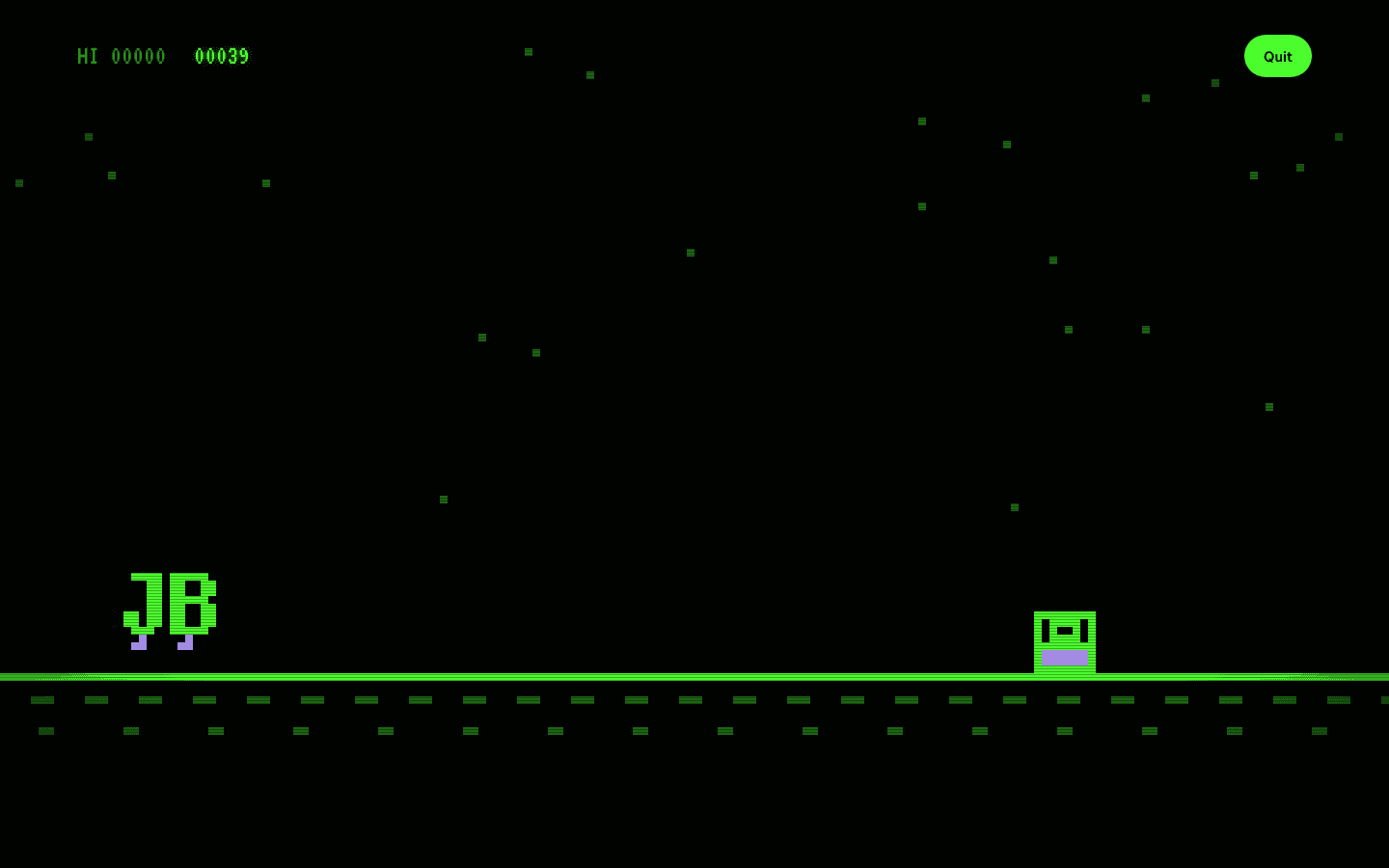
The floppy disk on the homepage saves my CV.
The controller starts a pixel game, with the JB in the sneakers.
Neither was in the plan. Building this way left room for them.
The tools, and what each one was for
- 1Claude, a design canvas
- The reference wall, the kit, the brand spec and every page board
- 2ChatGPT’s image model
- The JB and all 16 of the objects
- 3Back to the canvas
- Renders placed on real page layouts, over four passes
- 4Claude Code
- The site, built from the boards, with a plan first
- 5Playwright
- Every page checked at five widths against my rules
The tools matter less than the order.
Decide what good looks like, write it down, then let AI build.
What I learned along the way
AI made the building fast. The taste still had to come from me.
- Do the art direction first
- Reject with a reason
- Write your rules down
- Check them, don’t eyeball them

Next project
Ember
Designed, built and shipped solo, and #1 for “sauna guide” in multiple storefronts
View case study →