Algolia case study
From UI factory to strategic partner
Moving design upstream at Algolia, and taking Agent Studio from zero to one.
As Senior Manager, Product Design, I led design across Algolia’s search, AI and developer products.
Design came in too late to matter
product designers to PMs and engineering managers
AI was core to Algolia’s strategy, but its tools lacked a usability focus. Engineers saw design as UI support, and PMs said design added value too late to change outcomes.
One designer in every lane
- Service desk
- Efficient, but reactive, with little influence
- Fully embedded
- High influence, but not scalable at one designer to three
- Swimlanes
- Coverage and cohesion, if the design leads are strong
We chose swimlanes: one designer per major product domain, owning it end to end with its PM and engineering managers, and a Principal bridging the lanes for coherence.
I led the six designers, from mid-level to Principal, promoted one from Senior to Staff, and introduced critique, progression frameworks and AI hack days.
Agents in weeks, not months
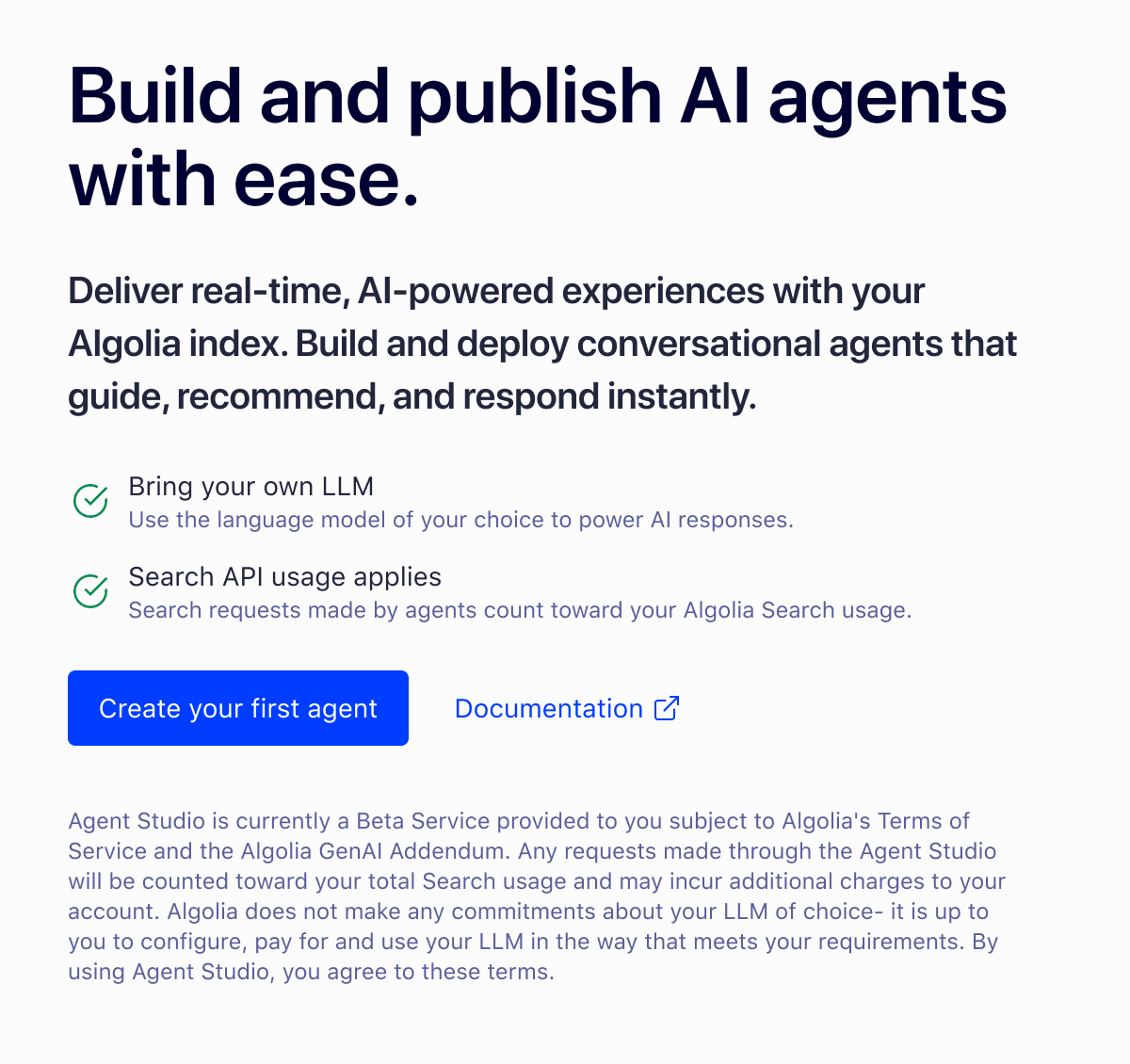
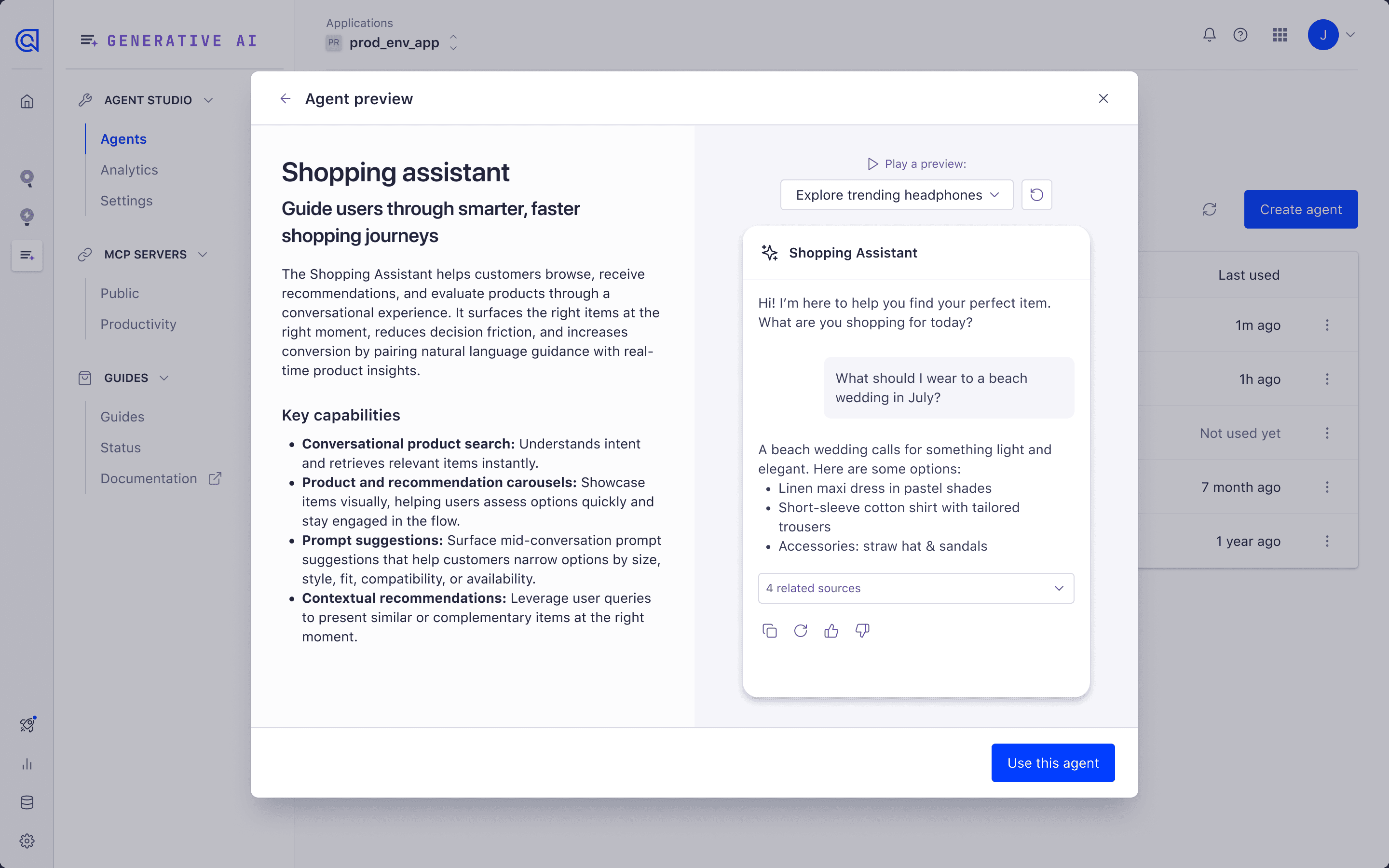
I led design for Agent Studio, a framework for building AI agents on Algolia’s search. Developers set up an agent’s purpose, tone, data and tools in the dashboard, then ran it with one API call through their own LLM provider. It launched in public beta in August 2025.
Across the whole product surface
- Ask AI
- Turned the docs search bar into an assistant that answers
- Algolia MCP Server
- Let agents like ChatGPT and Claude query Algolia’s APIs
- Agentic Components
- InstantSearch, reimagined as a foundation for chat assistants
- Visual merchandising
- No-code tools for arranging search and category pages
- NeuralSearch
- The vector and keyword search engine underneath it all
Agent Studio was the key launch, not the only one. With design across the whole product, my team worked on every release between November 2024 and May 2026.
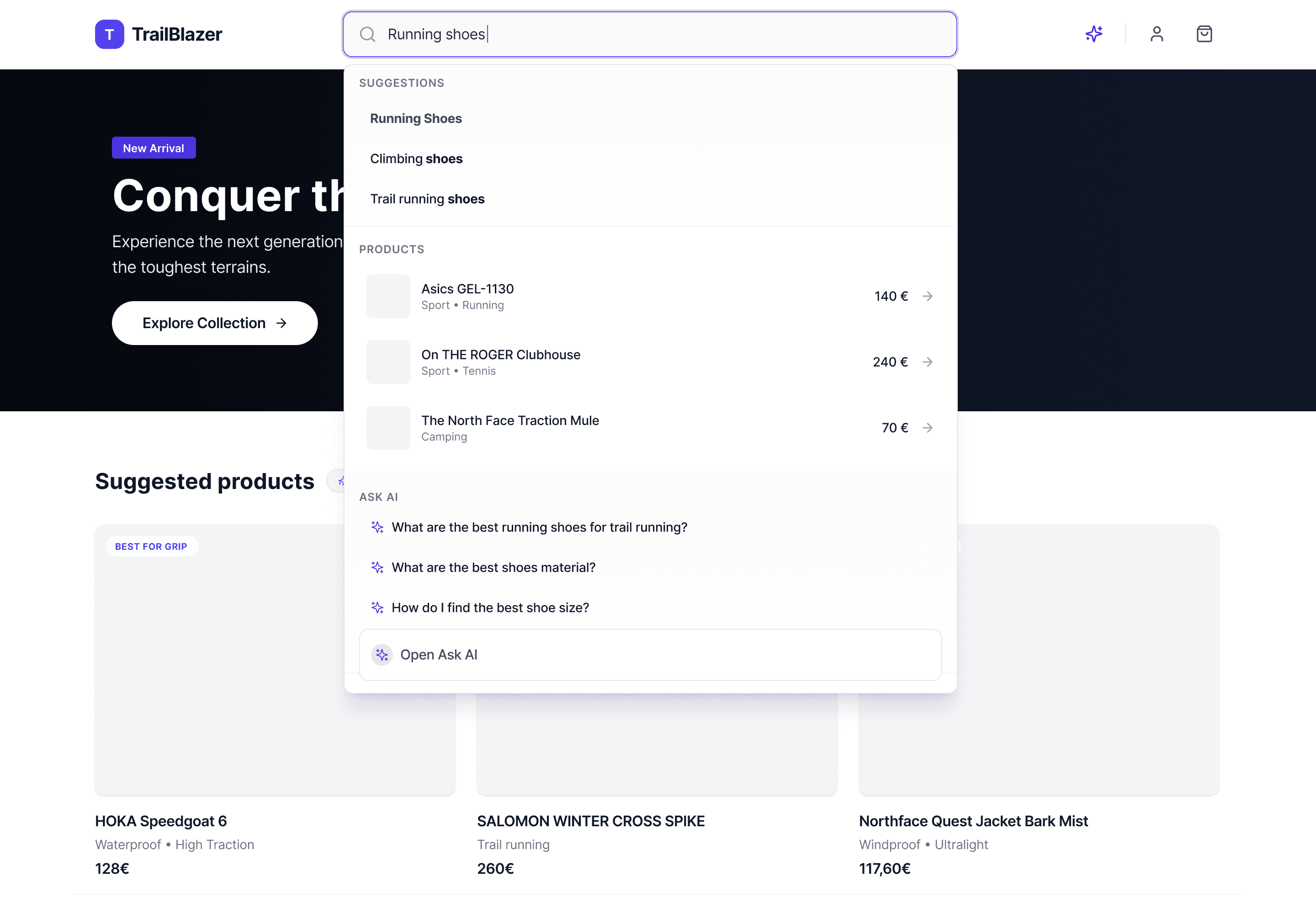
Three rocks that defined great work
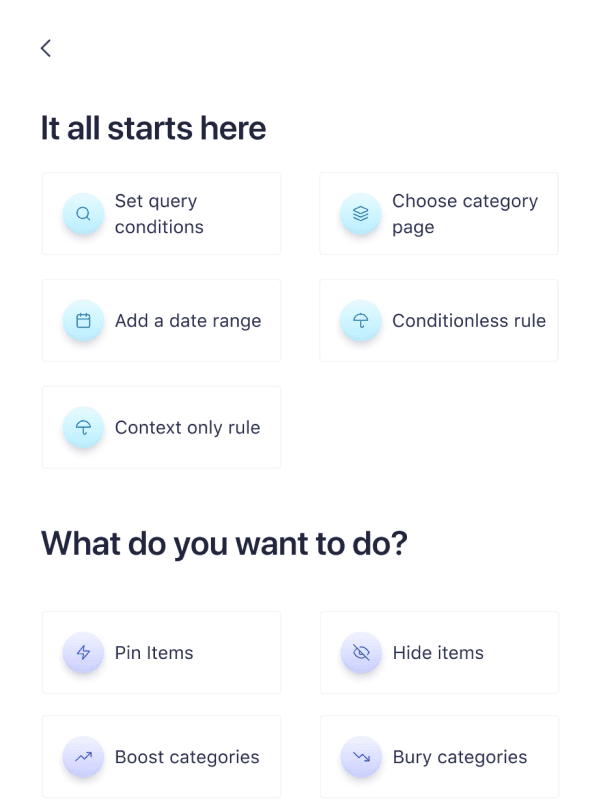
Before
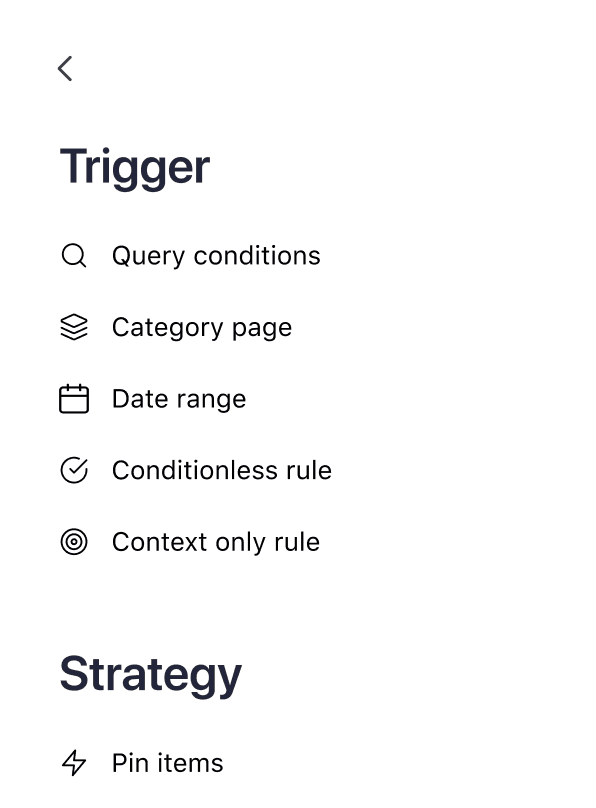
After
We set three Big Rocks for the whole team. The first, usability, simplified screens like the Rules editor, and took design system pattern reuse to about 70%.
- Usability: complex AI tools that feel effortless
- Technical depth: designers fluent in APIs and agents
- Cohesion: trust between humans and agents, by design
What it added up to
Of ARR influenced by Agent Studio
Customer satisfaction score for Agent Studio
Agent Studio API calls a week
Product domains with design in roadmap talks
What I learned along the way
Design maturity isn’t about adding process, it’s about shifting how people see its value.
If I did it again, I’d start earlier on storytelling. Narrative shifts perception faster than structure.

Next project
Travel Communities
Set the vision and led the team through it. 1M monthly active users in under a year, and 12-week retention doubled.
View case study →